


When it comes to Hoi An ancient town, in addition to the shimmering lanterns and ancient houses, visitors cannot miss the opportunity to explore Hoi An assembly halls. This is an ideal destination for visitors to learn about the history, culture and unique architecture of one of the busiest trading ports in Southeast Asia. Hoi An assembly halls are precious gems hidden in the heart of the ancient town, bearing the historical and cultural imprints of the Chinese community. These unique architectural works are not only places for community activities but also vivid evidence of the cultural exchange between East and West, creating a colorful and attractive Hoi An for tourists. Let’s explore the unique architectural features through the journey of these unique architectural works.
What is “Assembly hall”?
Assembly hall is a term referring to houses shared by a group of people, usually from the same hometown, profession or religion. In Vietnam, especially in commercial port cities such as Hoi An, assembly halls were often built by the Chinese community.
In Hoi An , the assembly halls are not only places for community activities but also unique architectural works, bearing the mark of Chinese culture. They were built for the purpose of:
- Worship: Dedicated to the worship of guardian gods and ancestors.
- Exchange: A place for members of the club to meet, exchange and share experiences.
- Support: Support each other in life and business.
Nowadays, the guildhalls become attractive tourist destinations. When coming to Hoi An tourism, besides exploring the ancient town, enjoy culinary specialties, visitors should not miss the opportunity to visit the TOP 5 famous assembly halls in Hoi An.
General Introduction to Assembly Halls in Hoi An
Hoi An is an ancient coastal city in central Vietnam, which has long been recognized by UNESCO as a World Cultural Heritage. This place is not only famous for its ancient houses and sparkling lanterns, but also for its system of ancient assembly halls, bearing the cultural imprint of the Chinese community. These assembly halls are not only unique architectural works but also vivid historical stories, reflecting the cultural exchange and integration of East and West.
Hoi An Assembly Halls were built by the Chinese community as places for them to live, work and worship. In Hoi An, the assembly halls were built from the 17th to the 19th century, a period when this was a bustling trading port, attracting many Chinese merchants to trade and live. The assembly halls were not only a place for the Chinese community to connect with each other but also their cultural, religious and economic centers.
History of formation and role of Chinese assembly hall in Hoi An: When to come Hoi An trading port to trade and exchange many types of business goods, some Chinese people decided to stay in Hoi An to live. and they established guild halls to create a close-knit community. The guild halls are not only places for community activities but also places to solve community problems, support each other in business and trade. Besides, the guild halls also play an important role in preserving and promoting the traditional cultural values of the Chinese people. Rituals and festivals are held regularly at the guild halls, helping to maintain and develop the beliefs and customs of the community.
Some common points in the unique architecture of Hoi An assembly halls: The architecture of Hoi An assembly halls bears the strong imprint of traditional Chinese architectural style, harmoniously combined with local elements. A typical assembly hall usually includes main items such as: tam quan (entrance gate), front yard, main hall, ancestral shrine and auxiliary areas.
- Tam quan: The entrance gate of the assembly hall, often elaborately decorated with reliefs and parallel sentences, carrying feng shui meaning.
- Front yard: Open space where community activities are held.
- Main hall: The main place of activities of the guild hall, where meetings and festivals are held.
- Ancestral Temple: Dedicated to worshiping ancestors and guardian gods.
- Auxiliary areas: Including living room, bedroom, kitchen… serving the living needs of members in the club.
The decorative details inside the hall are also very unique, showing the sophistication and talent of the artisans. Wood carvings, dragon and phoenix motifs, wall paintings and ceramics are commonly used. The main colors of the halls are usually red and yellow, symbolizing luck and prosperity.
Today, the assembly halls in Hoi An are not only ancient architectural works but also attractive tourist destinations. Visitors here have the opportunity to learn about the history and culture of the Chinese community, admire the unique architectural works and enjoy the peaceful space of the old town. The assembly halls in Hoi An are precious cultural heritages, vivid evidence of the exchange and integration of Eastern and Western cultures. Preserving and promoting the value of the assembly halls not only contributes to preserving the cultural identity of Hoi An but also attracts tourists to this ancient city.
TOP 5 Famous Assembly Halls in Hoi An
Phuc Kien Assembly Hall (also known as Phuc Kien) – The Most Famous Assembly Hall in Hoi An
- Address: 46 Tran Phu, Cam Chau, Hoi An, Quang Nam, Vietnam
- Opening hours: 7:00 – 18:00 daily
The Phuc Kien Assembly Hall, also known as Phuc Kien, is one of the most unique architectural works of Hoi An ancient town. Built in the 17th century by Chinese immigrants from Fujian province, China, the assembly hall is not only a place of worship but also a place for their community activities.
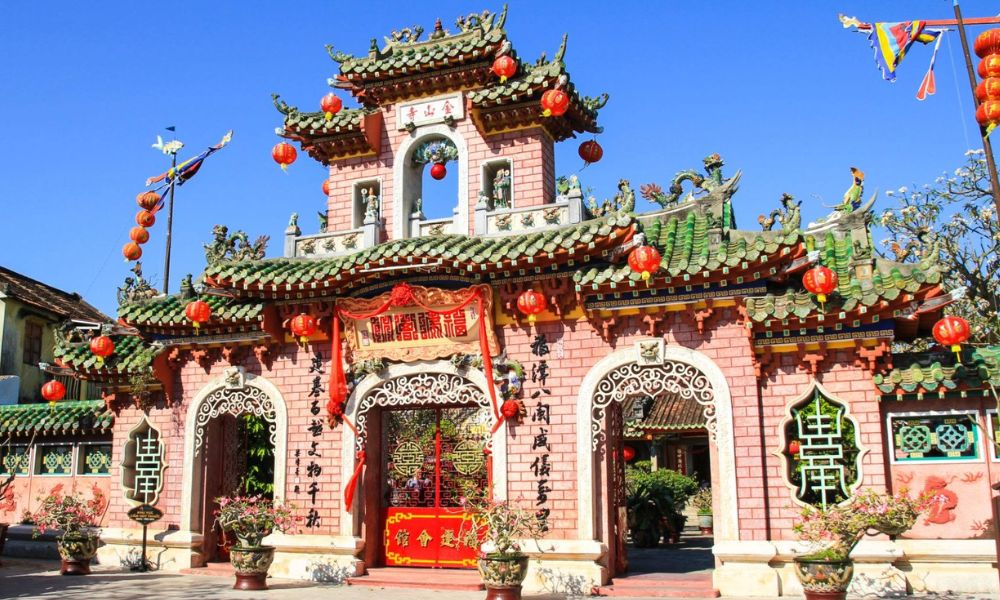
Figure 1. Phuc Kien Assembly Hall
Unique architecture:
- Typical Chinese style: The Assembly Hall possesses sophisticated architectural features, bearing the mark of ancient China. From the red brick walls, curved tiled roofs, to the delicate carvings, all create a solemn and ancient space.
- Solid pillar system: The meticulously carved wooden pillar system bears the main load for the entire structure. This shows the ingenuity and high technique of the ancient craftsmen.
- Tranquil garden: The garden of the guildhall is designed in harmony with the main architecture, creating a cool and quiet green space. Bonsai trees, small fish ponds… bring a sense of relaxation to visitors.
Cultural values:
- Community center: The Assembly Hall is where Chinese people living in Hoi An gather and organize cultural activities and traditional festivals. This place preserves the precious cultural and spiritual values of the Chinese community.
- Heritage preservation: The Fujian Assembly Hall has been recognized as a National Historical and Cultural Relic. The preservation and promotion of the Assembly Hall’s value contributes to enriching Vietnam’s cultural heritage.
Visiting the Fujian Assembly Hall: When visiting the Assembly Hall, you will have the opportunity to:
- Explore unique architecture: Admire the sophisticated architectural lines, explore the hidden corners of the ancient house.
- Learn about Chinese culture: Learn about the history and customs of the Chinese in Hoi An.
- Pray for peace: Light incense and pray for peace at the main altar, sending good wishes.
The Fujian Assembly Hall is not only a unique architectural work but also a living museum of culture. If you have the opportunity to visit Hoi An, do not miss the opportunity to explore this common home of the Chinese people.
Cantonese (Quang Dong) Assembly Hall – The spiritual home of the Chinese in Hoi An
- Address: 176 Tran Phu, Minh An Ward, Hoi An, Quang Nam, Vietnam
- Opening hours: 7:00 – 18:00 daily
- Contact phone number: 02353861736
Located at 176 Tran Phu Street, the Cantonese Assembly Hall is not only a unique architectural work but also a place to preserve the profound cultural and religious values of the Chinese community in Hoi An. Built in the late 19th century, the assembly hall has become an indispensable part of the ancient town, attracting a large number of tourists from all over the world.
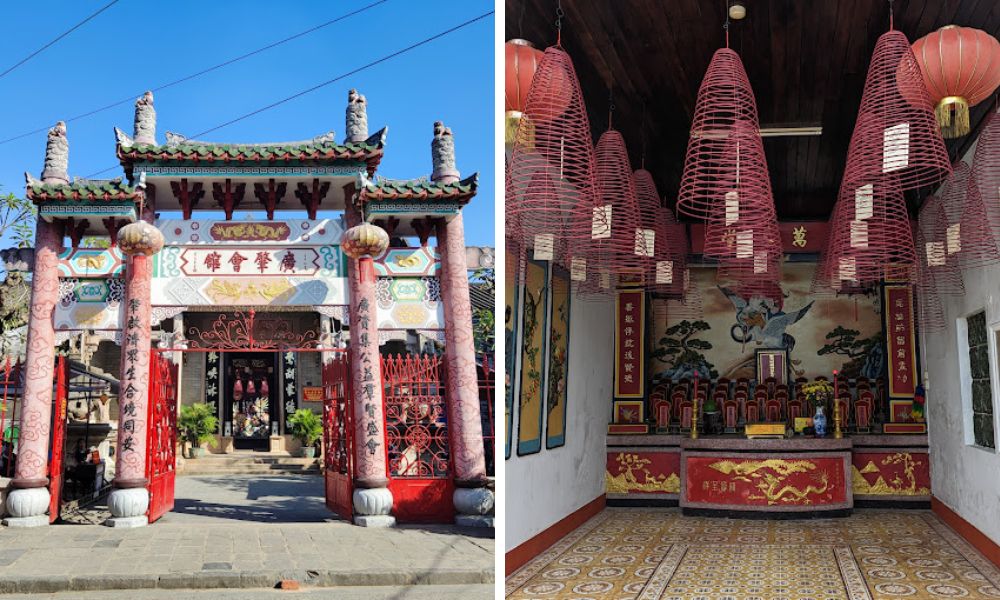
Figure 2. Cantonese Assembly Hall
Unique history and architecture: The assembly hall was originally built to worship Thien Hau and Confucius. However, in 1911, it was converted to worship Quan Cong and Tien Hien, showing the worship of the gods who bring luck and fortune to merchants. The architecture of the Guangdong assembly hall is imbued with the traditional Chinese style with sophisticated and meticulous patterns. From the red brick walls to the wooden pillars carved with dragons and phoenixes, everything exudes an ancient and majestic beauty.
Interesting things you can discover:
- Worship space: Stepping inside the hall, you will feel the sacred atmosphere in the worship rooms. The splendidly decorated statues of gods, along with the billowing incense, create a mysterious space.
- Unique architecture: Looking at the elaborate carvings on the walls and pillars, you will be amazed by the talent of ancient artisans.
- Corridors and gardens: The winding corridors and lush green gardens are ideal places for you to relax and enjoy the peaceful atmosphere.
- Cultural treasures: The Assembly Hall still preserves many valuable artifacts such as worship objects, paintings, parallel sentences… helping you better understand the life and beliefs of ancient Chinese people.
Why should you visit the Quang Dong Assembly Hall?
- Cultural Discovery: The Assembly Hall is a place for you to learn about the history and culture of the Chinese community in Hoi An.
- Experience the spiritual space: Coming here, you will have the opportunity to feel the sacred atmosphere and find peace of mind.
- Admire the unique architecture: The Assembly Hall is a unique work of architectural art, worth exploring and admiring.
- Take beautiful photos: With ancient architecture and beautiful space, the guildhall is an ideal place for you to take souvenir photos.
The Cantonese Assembly Hall is not only a tourist destination, but also a living museum of culture and history. Don’t miss the opportunity to explore this spiritual home of the Chinese people!
Chaozhou (Trieu Chau) Assembly Hall
- Address: 362 Nguyen Duy Hieu, Cam Chau, Hoi An, Quang Nam
- Opening hours: 8:30 – 17:00 daily
The Chaozhou Assembly Hall, also known as Ong Bon Pagoda, was built in 1845 by the Chaozhou Chinese community when they came to live and do business in Hoi An. Initially, this was a place for community activities, exchanges and worship of the gods who protect seafarers, praying for safe trips and favorable trade.
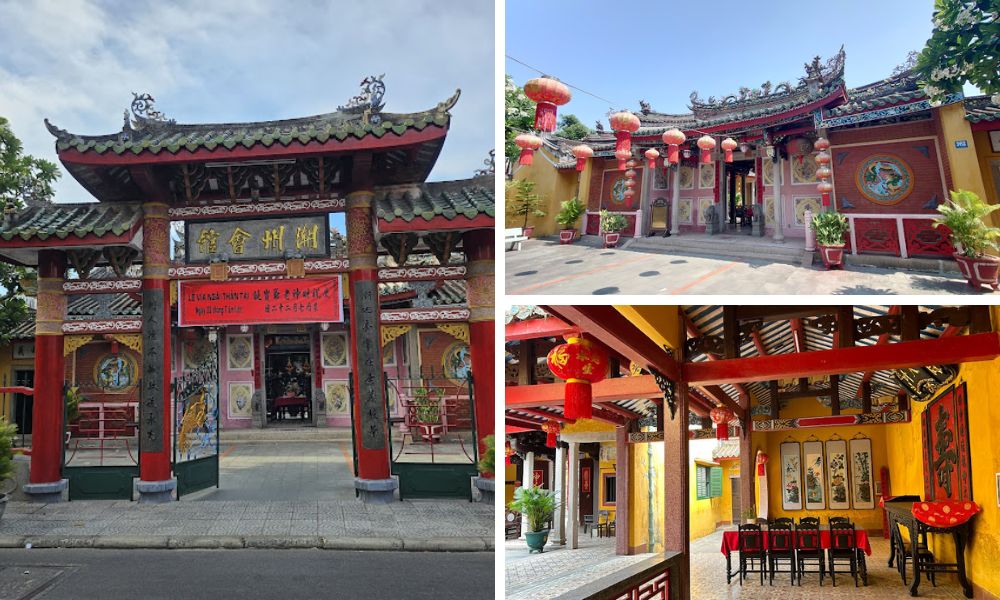
Figure 3. Chaozhou Assembly Hall
Unique architecture: The Chaozhou Assembly Hall has typical Chinese architecture, with sophisticated lines and meticulous decorative patterns. The main structures in the assembly hall include:
- Temple: Place to worship guardian gods and ancestors.
- Back temple: Place to worship Buddha and other gods.
- Garden: Open space with lots of trees and lake.
Cultural values
The Chaozhou Assembly Hall is not only an architectural work but also a place to preserve the traditional cultural values of the Chaozhou Chinese. Here, you can learn about the customs, rituals, cuisine and cultural activities typical of this community.
Why should you visit the Chaozhou Assembly Hall?
- Explore unique architecture: Admire the delicate lines and elaborate decorative patterns of the building.
- Learn about Chinese culture: Immerse yourself in a unique cultural space, learn about the history and traditions of the Teochew Chinese community.
- Experience a peaceful space: Relax in the airy garden space, regain balance in your soul.
- Take beautiful photos: The Chaozhou Assembly Hall is an ideal place for you to create impressive photos.
The Assembly Hall of Chaozhou is a must-see destination when you come to Hoi An. This is where architecture and culture intersect, helping you better understand the history and people here.
Assembly Hall of Five States – Assembly Hall of Five Different States from China
- Address: 64 Tran Phu, Minh An Ward, Hoi An, Quang Nam, Vietnam
- Opening hours: 07:00 – 11:00 and 14:00 – 16:00 every day
Ngu Bang Assembly Hall, also known as Duong Thuong Assembly Hall or Trung Hoa Assembly Hall, is a unique architectural work bearing the mark of Chinese culture in Hoi An. Built in 1741, the assembly hall was a place of community activities and worship for merchants from 5 states: Fujian, Chaozhou, Guangdong, Hai Nam and Gia Ung.
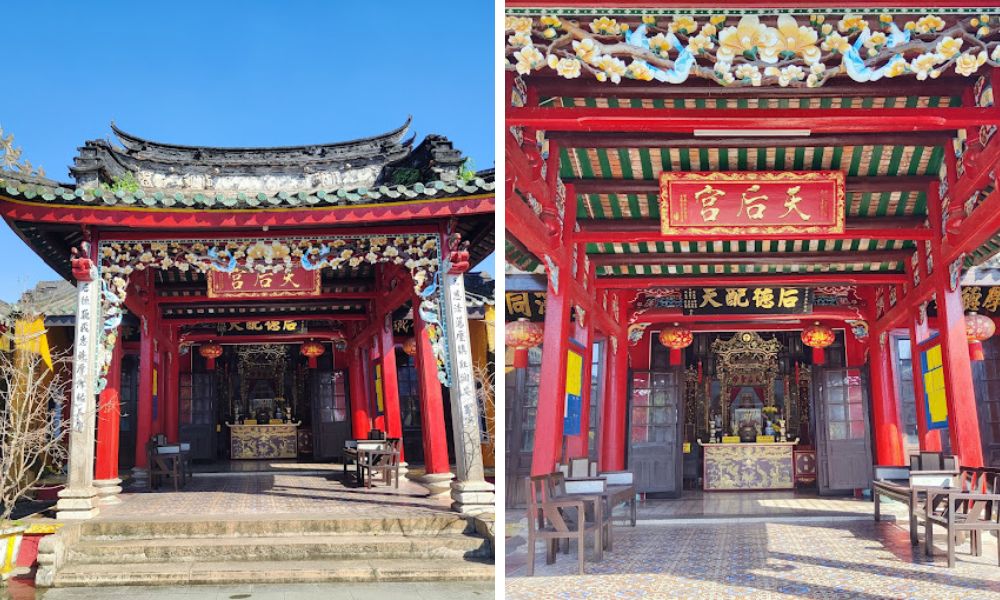


Cập nhật lần cuối: 25/09/2024 16:00

 Vietnam
 Korea
Korea