


Tan Ky ancient house is like a precious gem in the heart of the city. Hoi An ancient town is a must-see destination for those who love ancient architecture and want to explore the culture of this land. With a history of more than 200 years, this house has witnessed many ups and downs of time and still retains its ancient beauty. Let’s explore with us the interesting stories hidden in every corner of the house and admire the unique blend of Vietnamese, Japanese and Chinese architecture.
Introduction to Tan Ky Ancient House
Built in the 18th century, Tan Ky ancient house is one of the oldest ancient houses in Hoi An. The unique architecture of the house, with a harmonious combination of Vietnamese, Japanese and Chinese elements, has created a living space that is both traditional and modern. Every corner of the house contains interesting historical stories, along with valuable ancient artifacts. The house is not only a place to admire ancient architecture but also an opportunity for visitors to learn about the life of ancient Hoi An people. With unique cultural values, Tan Ky ancient house has been recognized as a National Cultural Heritage.
- Address: 101 Nguyen Thai Hoc, Minh An Ward, Hoi An, Quang Nam, Vietnam
- Opening hours to visit Tan Ky ancient house: 08:00–17:30 daily
- Ticket price to visit: 35,000 VND/person/turn (for adults). Free admission for children under 10 years old
Note: With each ticket, the time to visit Tan Ky ancient house is 20 minutes. Especially, if you go in a group of 8 people or more, you will enjoy the benefit of free commentary throughout the tour.

Figure 1. Tan Ky ancient house
History and Origin of Tan Ky Ancient House
An Architectural Masterpiece Through the Centuries: located in Hoi An ancient town, is one of the most famous ancient houses in Vietnam. The house was built in the late 18th century (1741), under the reign of Lord Nguyen Phuc Khoat. With an age of more than 200 years, Tan Ky has witnessed many ups and downs of history, becoming a living museum, preserving unique cultural and architectural values.
Origin of the Name “Tan Ky”: Mr. Le Cong – a Chinese merchant, got rich from trading agricultural products at that time. He used a boat to follow the Thu Bon River to the highlands to get agricultural products to Hoi An to trade and became rich from there. In his son’s generation, the house was named Tan Ky – The name “Tan Ky” also appeared from here and started counting from the second generation of the Le family. Tan Ky means “prosperity, prosperity”, expressing the homeowner’s wish for a prosperous and happy life. This name has been associated with the house since then, becoming a symbol of wealth and prosperity.
The Life of the Le Family: For centuries, Tan Ky ancient house has been the home of the Le family for 7 different generations. They have experienced many ups and downs of history, from prosperous times to difficult times. However, the family has always preserved and protected the house, considering it an indispensable part of life.
Hoi An is a land with harsh climate and weather, every year there are often natural disasters such as floods, storms, etc. lasting for many months. Tan Ky ancient house has also witnessed many natural disasters in the past along with Hoi An ancient town. In which, the peak was the historic flood in 1964, this ancient house was also heavily affected, the entire first floor was flooded, but still kept almost intact the architectural and cultural values. In the souvenir selling area for tourists, you can see flood warning lines in the house.
In 1990, Tan Ky ancient house was honored to be granted a certificate of national historical and cultural relic.
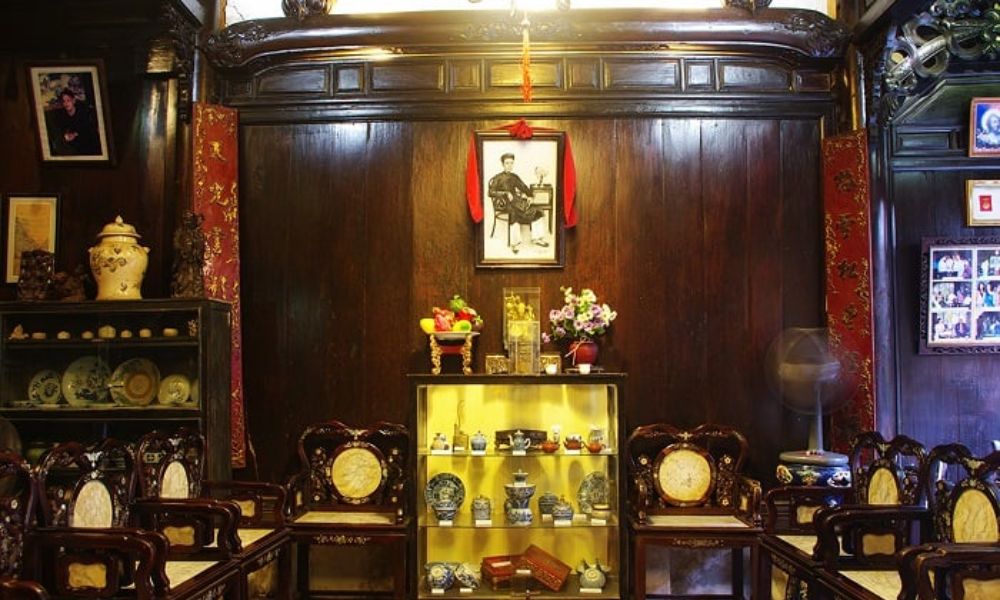
Figure 2. Image of the house owner – Mr. Le Cong
Unique Architecture of Tan Ky Ancient House
Tan Ky ancient house is a living proof of the cultural exchange between East and West, especially between Vietnam, Japan and China. The house was built in the late 18th century, bearing the characteristics of each culture, creating a unique and harmonious architectural whole.
1. Harmonious combination of architectural elements:
- The house is built in the typical tube shape of Hoi An ancient town, inside divided into many compartments and separate rooms. Entering the first compartment of the ancient house, you will see many antiques and sailboats on display, which are all symbols of the bustling Hoi An trading port 400 years ago.
- Tile roof: The curved yin-yang tile roof is imbued with traditional Vietnamese architecture. The tile roof not only protects against rain and sun, but also creates a majestic beauty for the house.
- House pillars: The house pillars are made of wood, intricately carved with patterns that have feng shui meanings. The pillars are placed on stone pillars, creating stability and durability for the house.
- Windows: The wooden windows are elaborately carved, providing natural light and creating ventilation for the house.
- Garden: The garden is designed in Japanese style, with small landscapes, creating a peaceful and relaxing feeling.
- Interior: The interior of the house is decorated with antique furniture, bearing the mark of time.
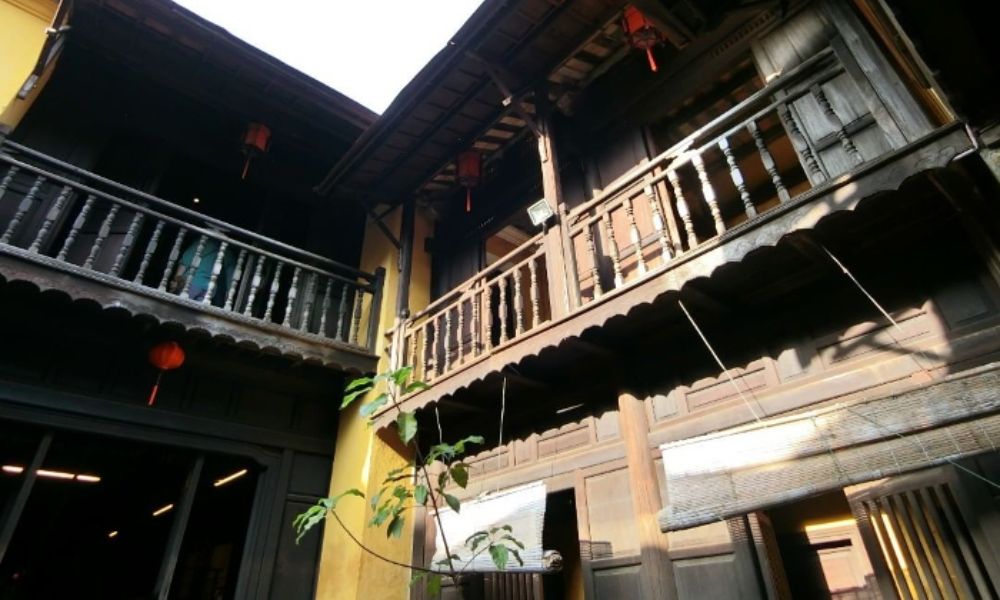
Figure 3. The exterior space of Tan Ky ancient house
2. Feng Shui in architecture:
It was built according to feng shui principles, aiming to bring luck and fortune to the owner. Factors such as house direction, window position, interior color are all carefully calculated.
- House direction: The house is built facing Southeast, one of the good directions according to Vietnamese feng shui.
- Window location: Windows are reasonably arranged to help welcome natural light and create good air circulation.
- Color: The main colors of the house are yellow and brown, giving a cozy and close feeling. These are also colors that match the unique ancient features of Hoi An ancient town.
3. Meaning of decorative motifs:
The decorative motifs on Tan Ky ancient house are not only aesthetic but also contain profound meanings.
- Floral motifs: Often used to decorate house pillars and windows, symbolizing fertility, growth and longevity.
- Animal motifs: Animals such as dragons, phoenixes, carps… are often used to symbolize strength, power and luck.
- Calligraphy motifs: Parallel sentences and calligraphy written on the walls carry the moral and philosophical meanings of the ancients.
4. Climate adaptation:
It was designed to adapt to Vietnam’s tropical monsoon climate, especially to the natural disasters that occur every year in Hoi An ancient town.
- Tile roof: Tile roof helps drain water quickly, prevents mold and protects the house from heavy rains.
- Windows: Wooden windows allow natural ventilation, creating a cool feeling in summer and warm in winter.
- Garden: Garden helps regulate the air, creating a cool green space.
The architecture of Tan Ky ancient house is a harmonious combination of aesthetics and practicality. The house is not only a unique architectural work but also a living museum, preserving precious cultural values of the Vietnamese people.
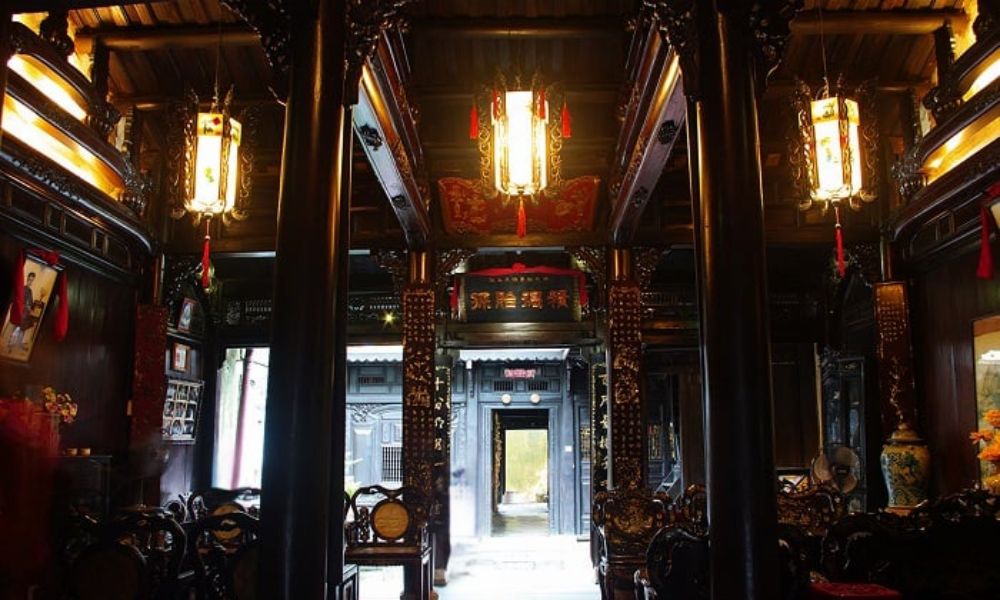
Figure 4. Interior space of Tan Ky ancient house
Interior and Artifacts Inside Tan Ky Ancient House
Tan Ky ancient house is not only a unique architectural work but also a living museum, preserving the material and spiritual cultural values of the ancient Vietnamese people. The interior and artifacts inside the house are vivid evidence of the life of the Le family through many generations.
1. Exquisite Wooden Furniture:
- Wooden furniture: The interior of Tan Ky ancient house is mainly made of precious wood such as jackfruit wood, rosewood, and rosewood. The objects are elaborately carved, bearing the traditional features of the Vietnamese people.
- Beds, wardrobes, tables: These pieces of furniture are not only functional but also works of art. They are carved with sophisticated patterns and motifs, carrying feng shui meanings.
- Wooden doors: Wooden doors are carved with images of animals and flowers, bringing liveliness and warmth to the space.
2. Ceramic Artifacts:
- Ceramics: Tan Ky ancient house preserves many rare ceramic collections, from simple bowls and plates to sophisticated tea sets.
- Japanese ceramics: Due to the influence of Japanese culture, the house has many ceramics made in Japan, with characteristic patterns.
3. Bronze: Bronze objects such as bronze incense burners, incense burners, candlesticks… are used for worship and decoration. These objects not only have aesthetic value but also have deep spiritual meaning.
4. Wall Painting:
- Ink paintings: On the walls, you can see beautiful ink paintings depicting natural landscapes or people’s lives.
- Folk paintings: Folk paintings with familiar images such as villages, people, animals… create a cozy and intimate living space.

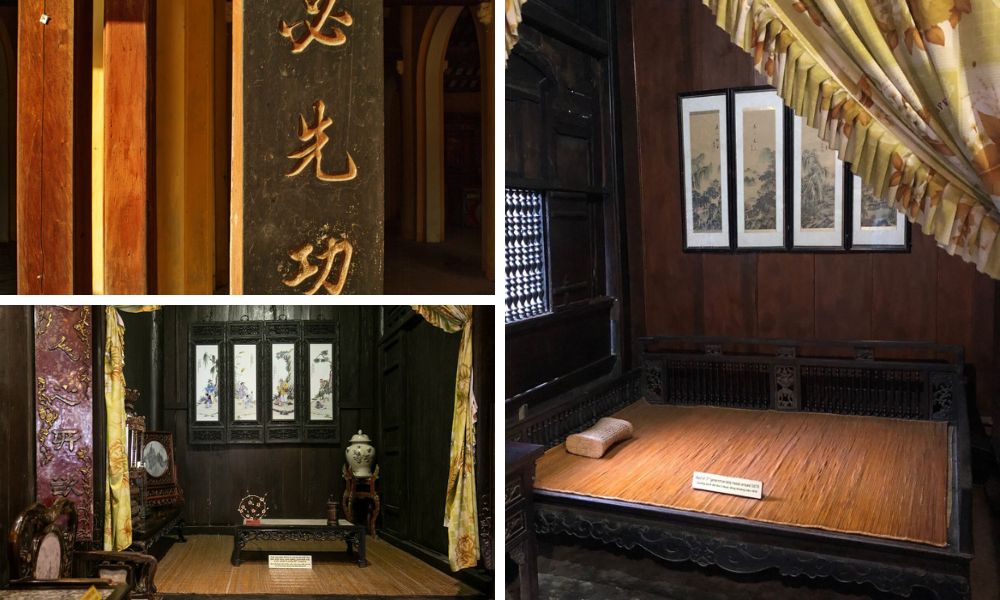
Figure 5. Artifacts in Tan Ky ancient house
5. Everyday Items:
- Kitchen utensils: Kitchen utensils such as pots, pans, and pans… are made of clay or copper.
- Personal items: Personal items such as combs, mirrors, boxes… are made of wood or horn.
- Children’s toys: Wooden toys, clay toys… help us imagine the lives of children in the past.
6. Meaning of the Artifacts:
Each artifact in Tan Ky ancient house has its own meaning. They are not just simple objects but also stories about the life and culture of Vietnamese people.
- Bat: Symbolizes happiness.
- Mailbox: Symbol of academic success.
- Pomegranate: Symbolizes the fortune of many children.
- Carp: Symbol of advancement in career.
The interior and artifacts inside Tan Ky ancient house are an extremely valuable cultural treasure. When visiting this house, visitors not only admire the unique architecture but also have the opportunity to learn about the life of the ancient people of Hoi An.
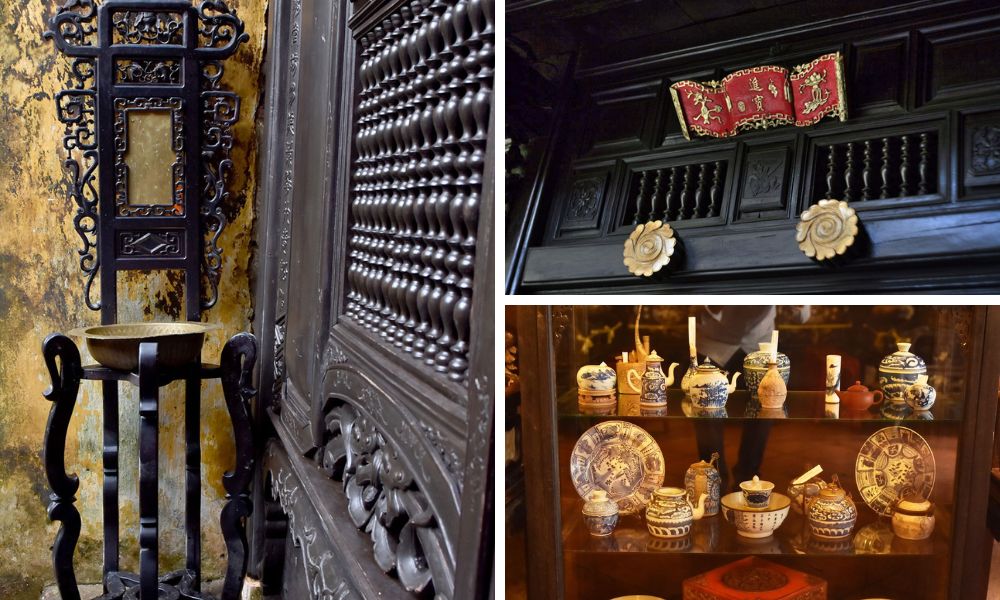
Figure 6. Some other artifacts in Tan Ky ancient house
Cultural and Spiritual Values of Tan Ky Ancient House
Tan Ky ancient house is not only an ancient house but also a living museum, preserving the profound cultural and spiritual values of the Vietnamese people. This house has become a symbol of Hoi An ancient town and a destination attracting many domestic and foreign tourists.
Cultural Values:
- East-West cultural exchange: Tan Ky ancient house architecture is a harmonious combination of Vietnamese, Japanese and Chinese architectural elements, demonstrating profound cultural exchange and influence.
- Preserving traditional values: The house preserves many ancient artifacts and daily living utensils of ancient Vietnamese people, helping us better understand the life and culture of Hoi An people.
- Evidence for the development of Vietnamese architecture: Tan Ky ancient house is a vivid evidence for the development of Vietnamese architecture through the ages.
- Community Cultural Center: The house used to be a place for community activities, organizing local festivals and cultural events.
Spiritual Values:
- Spirituality: Tan Ky ancient house is associated with many folk beliefs, expressed through altars and feng shui symbols.
- Family values: The house is home to many generations of the Le family, demonstrating family values and neighborly love of the Vietnamese people.
- National pride: Tan Ky ancient house is part of the national cultural heritage, arousing national pride and awareness of heritage conservation.
- Creative inspiration: The unique architecture and ancient beauty of the house have become a source of creative inspiration for many artists and writers.
Meaning to the community:
- Tourism: Tan Ky ancient house is an attractive tourist destination, contributing to the development of the local economy.
- Education: The house is an ideal educational space, helping students learn about Vietnamese history and culture and Hoi An history
- Heritage conservation: Preserving and promoting the value of Tan Ky ancient house contributes to protecting the cultural heritage of the nation.
Tan Ky ancient house is not only a unique architectural work but also a living museum, preserving the profound cultural and spiritual values of the Vietnamese people. Preserving and promoting the value of this house is of great significance to preserving the national cultural identity and developing tourism.
Notes When Visiting Tan Ky Ancient House:
To make your visit to Tan Ky ancient house more meaningful and respectful, you should note the following:
- Dress: You should wear polite and discreet clothes to show respect for the ancient space and the homeowner. Avoid wearing clothes that are too short, revealing or wearing dirty shoes. You can refer to The Secret to Choosing Unique Outfits – Impressively “Outsmarting” Every Fashionista When Traveling to Hoi An
- Action: Walk gently and speak softly so as not to disturb other visitors. Avoid touching the exhibits to protect the exhibits.
- Photography: You can take souvenir photos at beautiful corners of the house. However, you should limit the use of flash and do not use devices that can affect the structure of the house.
- Tour Guide: Join the tour guide to better understand the history, architecture and significance of the artifacts in the house. The tour guides will help you discover interesting things that you might miss. If you go in a group of 8 or more, you will enjoy the advantage of free tour guides throughout the tour.
- Visiting time: Take enough time to explore every corner of the house. Avoid rushing, so you can enjoy the peaceful space and listen to historical stories.
- Environmental protection: Do not litter, maintain general hygiene to protect the environment and space around the house.
- Respect living space: Part of the house is still the home of the homeowner’s family, so respect their private space.
Things you can do:
- Buy tickets: To visit Tan Ky ancient house, you need to buy an entrance ticket. The ticket usually includes visiting other historical sites in Hoi An ancient town.
- Participate in activities: In addition to sightseeing, you can participate in other activities such as experiencing wearing Ao Dai and taking photos at Tan Ky ancient house. You can rent ao dai Hoi An in Ao Dai Rental Locations in Hoi An with many designs and reasonable prices
- Buy souvenirs: In the souvenir area, you can buy small, lovely gifts as souvenirs and gifts for relatives and friends.
Note: You should check the opening hours of Tan Ky ancient house before coming to arrange a reasonable schedule. You can refer to the Hoi An 2024 travel schedules, in these schedules there is always time for you to visit Tan Ky ancient house.
- Hoi An Travel Cost 3 Days 2 Nights: Detailed Experience For The Perfect Trip
- Schedule and Hoi An Travel Costs 2 days 1 night Is Reasonable But Extremely Interesting
- Pocket Latest Self-sufficient Hoi An Travel Experience 2024: What to Eat, Where to Stay, What to Play?
Wish you have an interesting and meaningful tour at Tan Ky ancient house!
Attractions Near Tan Ky Ancient House
If you are planning to explore the attractions near Tan Ky ancient house, don’t miss the chance to enjoy Hoi An specialties with authentic flavors famous specialty restaurant Anabas Restaurant – just 400m from Tan Ky Ancient House. At Anabas Restaurant , you will experience famous dishes such as Cao Lau, Quang Noodles, Chicken Rice, Wonton, Grilled Meat,… and many other delicious dishes, all prepared according to traditional recipes, but also delicately modified to suit the taste of visitors. Fresh ingredients, rich in Hoi An flavor will bring you a unique and unforgettable culinary experience. Come Anabas Restaurant to fully experience the specialties of the heritage land!
- Address: 29 Phan Chu Trinh, Minh An Ward, Hoi An
- Phone: 093 561 96 81
- Opening hours: 09:00 – 22:00
- Website: https://anabasrestaurant.vn/
- Facebook: https://www.facebook.com/Anabasrestaurant
- You can book a table directly through the website: Reservation
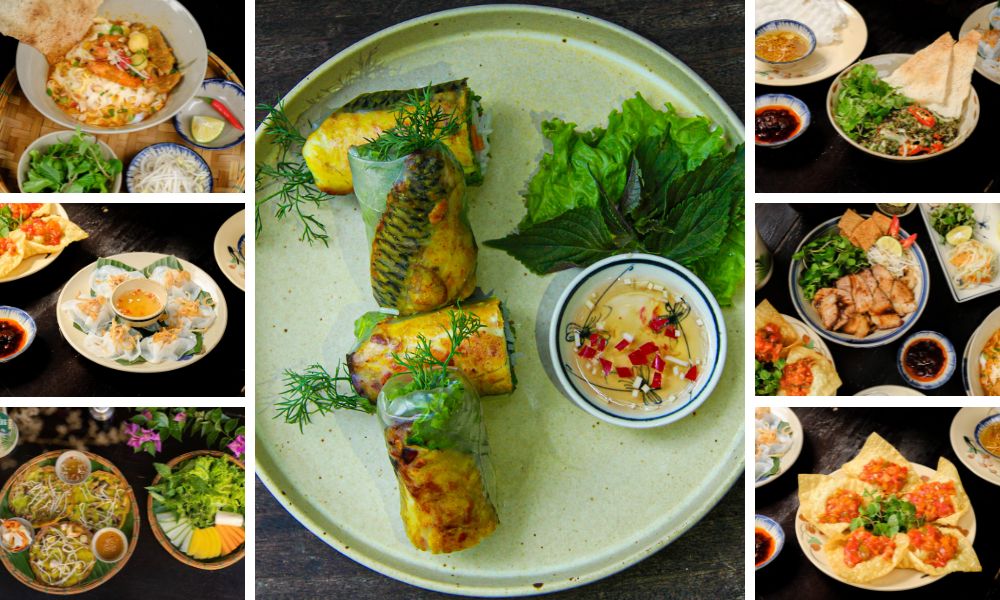
Figure 7. Hoi An cuisine at Anabas Restaurant
When visiting Tan Ky ancient house, do not miss the opportunity to explore the attractive attractions nearby. Here are some suggestions for you to have a perfect trip:
- Highlights: Hoi An Ancient Town is a UNESCO World Heritage Site, with ancient houses, shimmering lanterns and narrow streets.
- Activities: Stroll around, enjoy local cuisine, shop for handicrafts, take cooking classes.

Figure 8. Hoi An ancient town at night
- Highlights: The symbol of Hoi An, the Japanese Covered Bridge is a unique architectural work combining Vietnamese and Japanese styles.
- Activities: Take souvenir photos, explore the unique architecture of the temple.
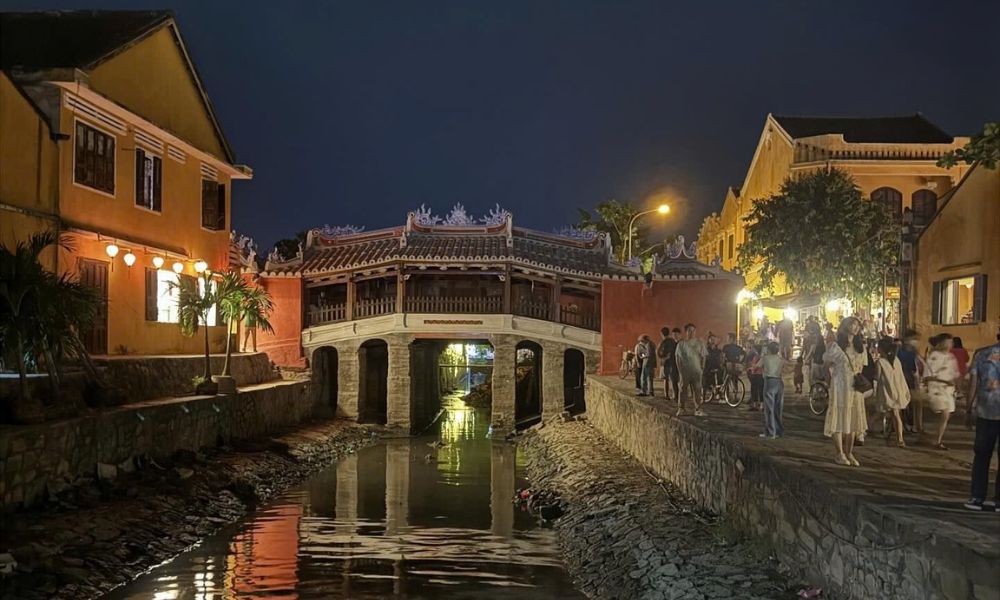
Figure 9. Covered Bridge
3. Visit Assembly Halls in Hoi An such as Fujian Assembly Hall, Chaozhou Assembly Hall, Guangdong Assembly Hall,…In addition to Tan Ky ancient house, in Hoi An there are many other ancient houses that you can visit such as Duc An ancient house, Phung Hung ancient house, Tran Family Chapel,…
4. Sightseeing Sacred Hoi An Pagodas – Where Buddhism and Local Culture Intersect
- Highlights: The pagodas in Hoi An are not only sacred, have unique architecture, and are decorated with strong Buddhist influences, but are also places where visitors can pray for peace for themselves and their families.
- Activities: Visit temples, learn about history and architecture.
5. Unique Experience: Make Your Own Products at Traditional Craft Villages in Hoi An:
- Thanh Ha Pottery Village: Learn about the traditional pottery making process and shop for ceramic products.
- Kim Bong Carpentry Village: Discover exquisite wood carvings.
- Hoi An Silk Village: Learn about the process of creating high-quality silk products. This is also a museum that preserves the best silk products in Vietnam. Here you will learn more about the silk industry in Hoi An and why silk is one of the popular items in the bustling trading port of “Faifo”.
- Hoi An Fishing Villages: You can transform into a fisherman to learn about the lives of the local people.
- Experience growing clean green vegetables at Tra Que Vegetable Village.
6. Beautiful beaches near Hoi An:
- Cua Dai Beach: Relax, swim, enjoy fresh seafood.
- An Bang Beach: Beautiful beach, clear blue water, suitable for water sports activities.
- Activities: Enjoy cocktails and watch the sunset at Hoi An beach at TOP 8+ Best Beach Bars in Hoi An to Watch the Sunset & Enjoy Cocktails
7. Other experiential activities when Hoi An tourism 2024:
- Enjoy coffee and see Hoi An ancient town from above The Best Coffee Shops ‘Hidden’ in the Middle of Hoi An Ancient Town.
- Take care of your beauty, health and spirit at TOP 10+ “Paradise” Spas in Hoi An for “Relaxation & Regeneration” .
- At night, in addition to walking around and exploring Hoi An ancient town, take some time at the end of the day to enjoy the bustling atmosphere and relax at famous bars/pubs in Hoi An.
- Have you ever tried rowing a basket boat in the middle of a coconut forest? Come Bay Mau Coconut Forest Hoi An Get lost in the green coconut maze, enjoy the peaceful space and experience river life.
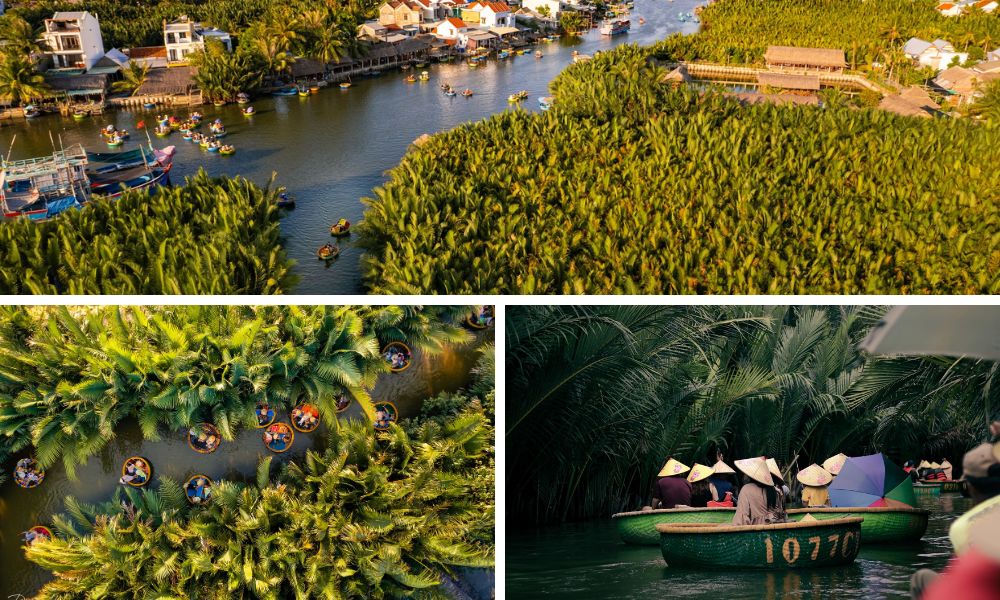
Figure 10. Bay Mau Coconut Forest
Note:
- Time: To explore all these destinations, you should spend at least 2-3 days in Hoi An.
- Transportation: You can walk, rent a bicycle or motorbike to move around the old town. Find out How to Get to Hoi An “Within Your Hands”: Detailed Instructions for All Vehicles
- Save the delicious places to eat in Hoi An so you don’t miss out on enjoying Hoi An’s specialties such as Cao Lau, Quang noodles, wontons, white rose cakes, etc. Don’t forget to try the “specialty” herbal drink in Hoi An – Mot Hoi An
Advice:
- Tourist season: The ideal time to visit Hoi An is from March to September, when the weather is cool and there is little rain. You can learn more about Hoi An weather through the article Hoi An Ancient Town: Four Endless Seasons, Thousands of Attractive Things
- Festivals: If you have the chance, join Hoi An’s traditional festivals to better understand the local culture.
Have a fun and meaningful trip in Hoi An! Don’t forget to visit the ancient house that is over 200 years old – Tan Ky ancient house!

Cập nhật lần cuối: 25/09/2024 16:06

 Vietnam
 Korea
Korea