


Hoi An Tourism If you have not visited Phung Hung ancient house, it is a big mistake. This ancient house will take you back to the past, to explore the life of ancient Hoi An people. Immerse yourself in the peaceful space and enjoy relaxing moments at Phung Hung ancient house. This is not only a unique architectural work but also a living museum, preserving the traditional cultural values of the Vietnamese people. The house is a testament to the cultural exchange between ethnic groups, creating a unique beauty of Hoi An ancient town. Let’s admire the exquisite beauty of ancient Vietnamese architecture and learn about the more than 200-year-old masterpiece at Phung Hung ancient house.
General Introduction to Phung Hung Ancient House
Phung Hung Ancient House, a unique architectural symbol of Hoi An ancient town, has existed for more than two centuries. The house was built around the 18th century, through many ups and downs of history, still retaining its ancient beauty and profound cultural values. With an architectural fusion between Vietnam, Japan and China, Phung Hung is a living testament to the bustling trade of ancient Hoi An. “Phung Hung” was named by the owner of this place, expressing his wish for a business career to grow, become stronger and more successful.

Figure 1. Phung Hung Ancient House
Where is Phung Hung Ancient House? Phung Hung Ancient House is located at 4 Nguyen Thi Minh Khai, Minh An Ward, right in the center of Hoi An ancient town. The house was built around 1780, when Hoi An was one of the busiest trading ports in Southeast Asia. Initially, the house was used as a place to trade goods, especially silk, ceramics and oriental medicine, serving international trade activities. The location of Phung Hung Ancient House is really convenient for tourists. From famous attractions in Hoi An such as the night market, walking street or Japanese Covered Bridge, you only need to walk a short distance to explore this ancient house. It is easy to find a part of Hoi An’s history right in the heart of the ancient town.
Phung Hung ancient house is open from 8:00 to 18:00 every day. Visitors can arrange their schedule to visit this ancient house.
If you want to visit Phung Hung ancient house, remember to buy a ticket! With only 80,000 VND, you will not only explore Phung Hung ancient house but also have the opportunity to visit 2 of the other ancient houses in Hoi An ancient town. You can choose the next 2 destinations from the list: Tan Ky Ancient House – 200 Year Old House Still Maintains Its Value, Duc An Ancient House, Quan Thang Ancient House, Tran Family Temple…
Phung Hung ancient house has been associated with many ups and downs of Hoi An ancient town. Therefore, it was recognized by the State as a National Historical – Cultural Relic on June 29, 1993 to commemorate the unique cultural, historical and architectural values that the house brings.
Unique Architecture Of Phung Hung Ancient House
Overall architecture of the ancient house
Phung Hung Ancient House is one of the attractive destinations in Hoi An with unique architecture, bearing the mark of history. From the outside, the facade of this Hoi An ancient house is divided into 3 rooms, 2 floors. In the middle is the main entrance, on both sides are two large doors for sale, showing the prosperity of an ancient merchant. In particular, the unique feature of Phung Hung ancient house, as well as many other ancient houses in Hoi An, is the door eyes – the door god above. This is not only a decorative detail but also has a deep spiritual meaning. People believe that the door gods are like guardian gods, guarding the house, warding off evil spirits and bringing luck and fortune to the homeowner. Therefore, the door eyes are always meticulously and delicately carved with images of good meanings such as dragons, phoenixes, lotus flowers…

Figure 2. Overview of Phung Hung Ancient House from the outside
Interior architecture of Phung Hung ancient house
Stepping through the middle door, you will feel like you are lost in another world. On the door, the horizontal plaque “The Duc Luu Quang” is a reminder of family tradition. On both sides are ancient parallel sentences, bearing the mark of time. With each step, you will feel more clearly the majesty and antiquity of the house.
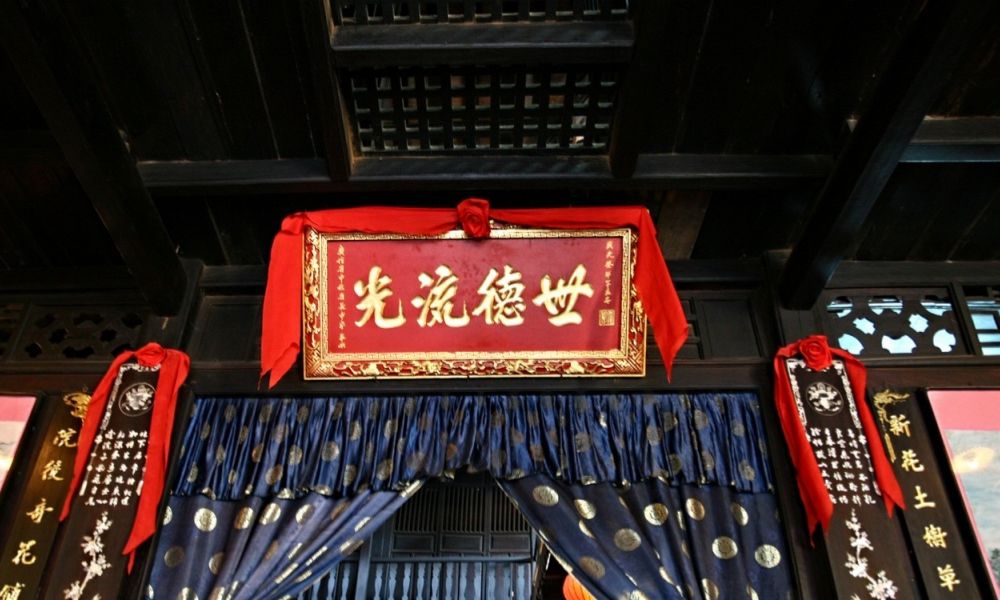
Figure 3. The painting “The Duc Luu Quang” at Phung Hung Ancient House
Entering the interior, visitors will be impressed by the airy living room filled with natural light. The highlight of the room is the soaring atrium, connecting to the roof. Light floods in through the wooden windows, creating a cozy and intimate space. The second floor is surrounded by wooden railings, like a bridge between spaces, bringing a sense of relaxation and peace. The entire house is supported by 80 sturdy ironwood columns, creating a unique architectural landscape.
In particular, the roof on the atrium with the Four Seas roof architecture spreading out in four directions is a typical mark of Japanese architecture. This design is not only highly aesthetic but also helps to ventilate and get natural light effectively, creating an ideal living space for people in ancient times.
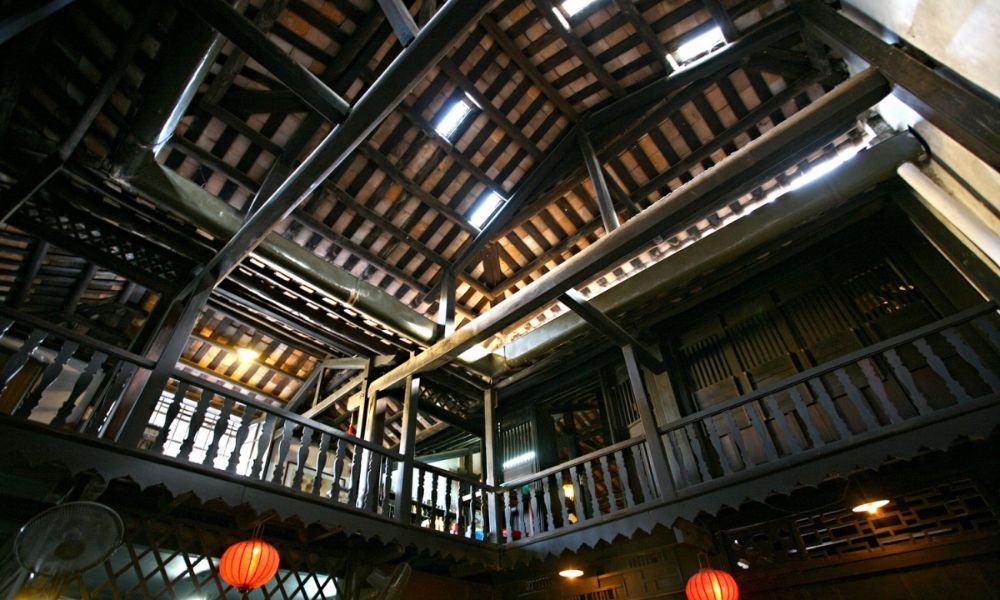

Figure 4. Interior space of Phung Hung Ancient House
Going up to the second floor, you will be impressed by the porch with its Chinese-style architecture. The outer room on the second floor is where the homeowner dedicates to ancestor worship and beliefs. The house is like a large altar, with a solemn main altar to worship ancestors and a secondary altar to worship Thien Hau Thanh Mau – a deity that is highly respected by the Chinese. This space exudes a sacred, ancient look with a traditional roof system and parallel sentences bearing the cultural characteristics of East Asia. Along with that, the system of frames, ribs, and wooden floors are meticulously crafted, bearing the mark of pure Vietnamese architecture, creating a unique harmony for the house. Looking up at the ceiling, you will see curved wooden panels like crab shells, creating a scene that is both strange and familiar. On the supports, carp seem to be swimming around. This image is not only beautiful but also has a deep meaning: the Chinese see the carp as a symbol of luck, the Vietnamese see it as prosperity, and the Japanese associate it with power. This is an interesting combination, isn’t it?
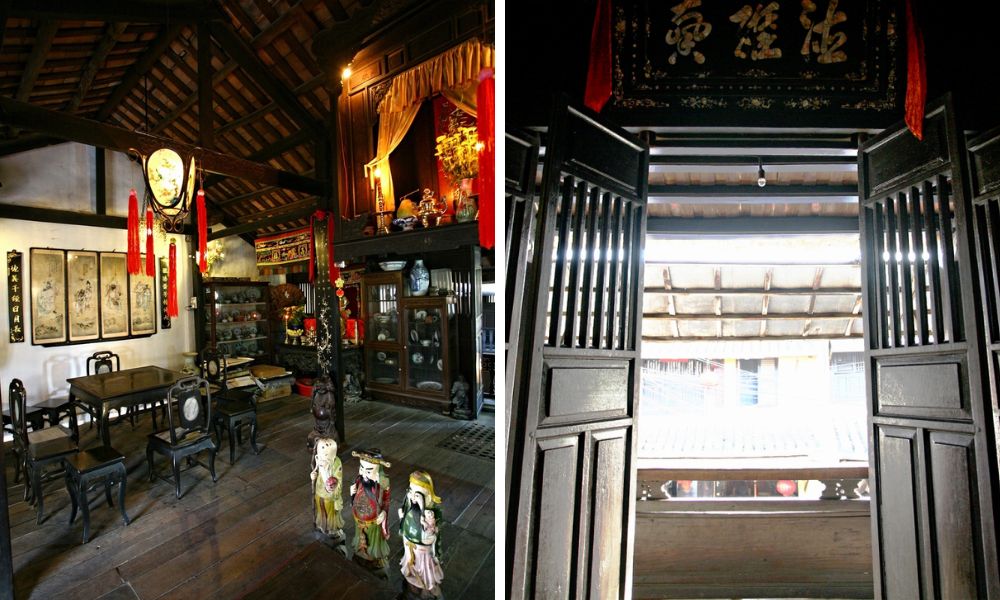

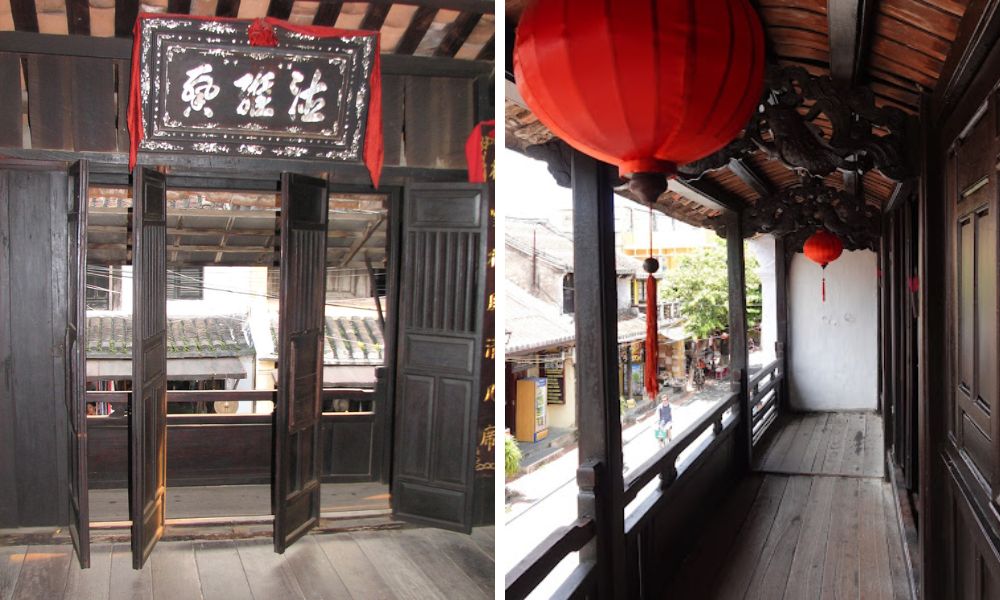
Figure 5. Second floor space of Phung Hung Ancient House
Ancient house interior: The interior of Phung Hung ancient house is a miniature world, clearly reflecting the lifestyle and aesthetic taste of ancient Vietnamese people. Every corner of the house has its own beauty, from daily household items to elaborate decorative objects.
- Wooden furniture: Wood is the main material used in the interior of ancient houses. Tables, chairs, cabinets, and beds are intricately carved, demonstrating the talent of the artisans. Curved patterns and images of the four sacred animals (dragon, unicorn, turtle, and phoenix) are often carved on wooden furniture, bringing good feng shui meaning.
- Bronze: Bronze is also an indispensable part of the interior of ancient houses. Bronze lamps, bronze vases, bronze teapots… not only have practical value but are also unique works of art.
- Ceramics: Ceramics is a popular decorative material in ancient houses. Ceramic bowls, plates, vases, and flower pots with many different shapes and colors create diversity and liveliness for the living space.
- Pictures: Wall pictures are usually oil paintings or woodcuts, depicting scenes of daily life, landscapes or historical figures.
- Altar: The altar corner is the most sacred place in every Vietnamese house. At Phung Hung ancient house, the altar is solemnly decorated with full worship items such as incense bowls, oil lamps, trays…
The architecture of Phung Hung ancient house is a unique work of art, reflecting the talent of the ancient Vietnamese people. The house is not only a place to live but also a testament to the development of traditional Vietnamese architecture.
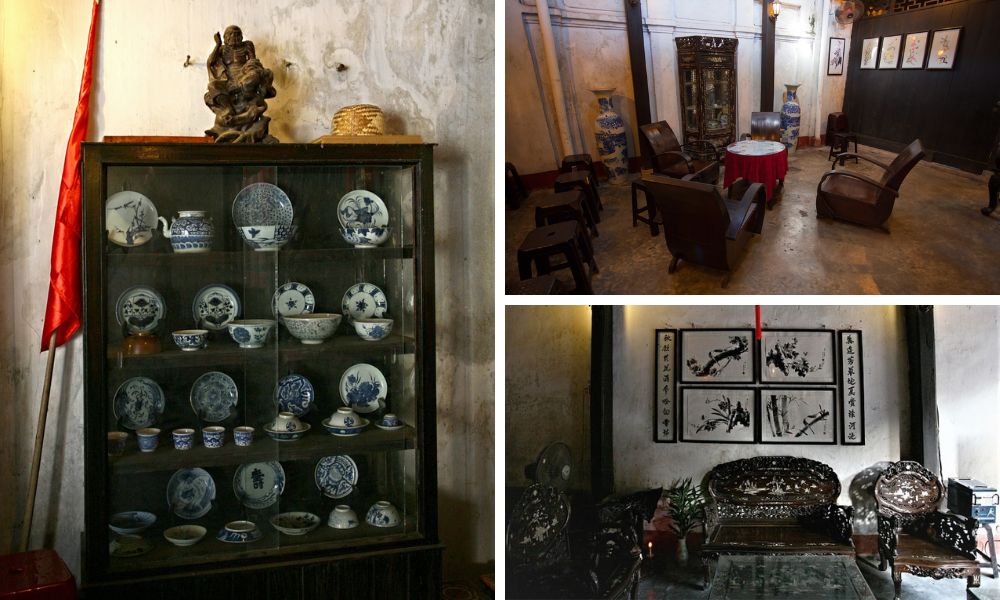
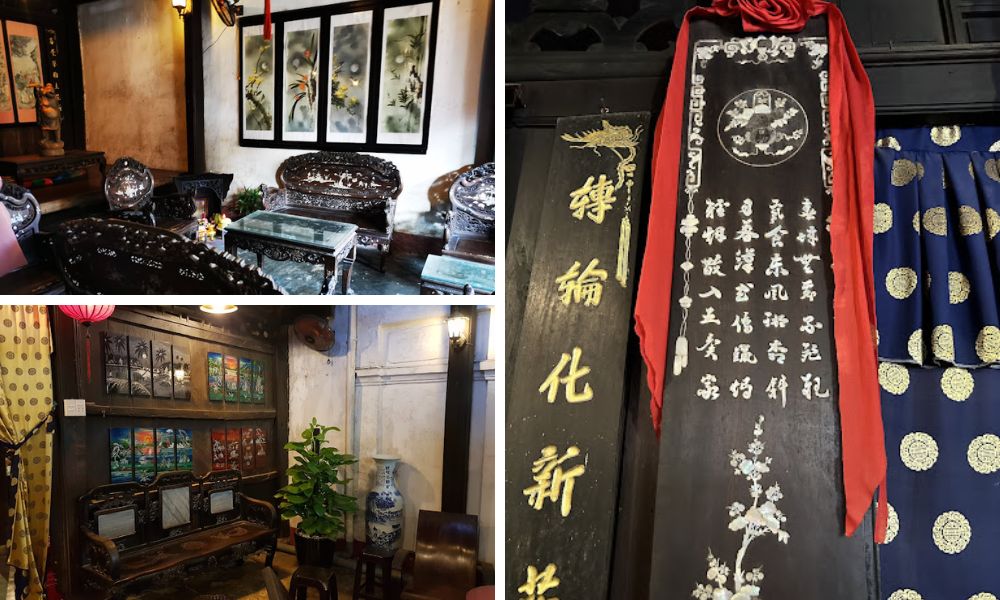
Figure 6. Interior and artifacts inside Phung Hung Ancient House
Outstanding features in the flood-proof design of Phung Hung ancient house
Phung Hung Ancient House is a great testament to the intelligence and ingenuity of Hoi An people in coping with natural conditions, especially frequent flooding. The house is designed with many unique flood-proof solutions, helping to protect the house and the property inside.
Outstanding features in flood protection design:
- Trapdoors: One of the most prominent features of Phung Hung ancient houses is the trapdoor system. These are large, sturdy doors, usually made of wood, that can be completely closed under the house. When the flood comes, people will close these trapdoors to prevent water from entering the house.
- High roof: The roof of Phung Hung ancient house is often designed high and has many layers. This helps the house drain water quickly and limits water stagnation on the roof.
- High floors: The floors of the main houses are often built higher than the street level to avoid flooding when the flood comes.
- Lim wood columns and stone feet: The system of lim wood columns is very sturdy, placed on stone feet. The stone feet help isolate the columns from the ground, limiting rotting when exposed to water.
- Construction materials: Construction materials such as wood, tiles, and bricks are all carefully selected and have good water resistance, helping the house to be sustainable against environmental impacts.
- Airy space: Phung Hung ancient houses often have many windows and natural ventilation spaces, helping the house stay dry and avoid mold.
How it works: When the floodwaters rise, the water will rise and flood into lower areas. However, thanks to special designs such as trapdoors, high floors and good drainage systems, water will be limited from flooding inside the house. Valuable items will be moved to higher floors or locations to avoid flooding.
With the harsh weather and climate of Hoi An during the rainy season, the flood-proof design of Phung Hung ancient house is not only a technical solution but also demonstrates the intelligence, creativity and experience of Hoi An people in adapting to natural conditions. Thanks to that, Phung Hung ancient house preserves the most special and detailed architecture despite the harshness of time. Therefore, the research and preservation of ancient houses like Phung Hung is of great significance in preserving the cultural identity and traditional architecture of the Vietnamese people.

Figure 7. Removable second-floor hatch on the attic floor allows for easy transport of goods upstairs during flooding
Activities to Visit Phung Hung Ancient House
Phung Hung Ancient House is not only an ancient architectural work but also a place to preserve many interesting experiences. Below are some activities you can participate in when visiting the ancient house:
1. Explore unique architecture:
- Admire the system of columns, rafters, and beams: See the intricate carvings and learn about traditional Vietnamese construction techniques.
- Explore the second floor porch: Enjoy the view of Hoi An ancient town from above, admire the carvings on the roof.
- Visit the functional rooms: Explore the living room, bedroom, worship room, kitchen… to better understand the lifestyle of ancient people.
2. Learn about history and culture:
- Listen to stories about the ancient house: The tour guide will tell you interesting stories about the history of the formation and development of the ancient house, and the important events that took place here.
- Admire ancient artifacts: Explore ancient artifacts such as ceramics, bronze, wooden objects… to better understand the daily life of ancient people.
- Participate in experiential activities: Participate in activities such as wearing Ao Dai, experiencing baking, making tea… to better understand the traditional culture of Vietnamese people.
3. Take souvenir photos:
- Check-in at beautiful “virtual living” corners: Phung Hung Ancient House has many beautiful photo angles, from panoramic shots of the house to close-up shots of architectural details.
- Wear Ao Dai to take photos: Wearing traditional Ao Dai and taking photos at an ancient house will help you have beautiful and meaningful souvenir photos. You can rent Ao Dai at Hoi An Ao Dai Rental Locations with Many Styles and Affordable Prices .
4. Souvenir shopping: Here you can find handicraft products such as ceramics, wooden products, paintings… as gifts for relatives and friends.
5. Note:
- Before visiting, you should learn about the history and architecture of the ancient house to make the trip more meaningful.
- Should comply with the regulations of the ancient house to protect cultural heritage.
- Prepare your camera to capture beautiful moments here.
With the above diverse activities, Phung Hung ancient house will definitely bring you memorable experiences.
What Food Should You Enjoy When Visiting Phung Hung Ancient House?
When visiting Phung Hung Ancient House and exploring Hoi An Ancient Town, you definitely cannot miss the opportunity to enjoy delicious local specialties. Here are some suggestions of dishes you should try.
1. Cao Lau: A typical Hoi An noodle dish with chewy yellow noodles, shredded boiled pork, fresh raw vegetables and rich broth.
2. Quang noodles: A full bowl of Quang noodles includes yellow noodles, shredded chicken, shrimp, quail eggs, roasted peanuts, raw vegetables and flavorful broth.
3. Hoi An Bread: Crispy bread, filled with cold cuts, pate, raw vegetables and special sauces.
4. Wonton: Wonton is made from thin pastry, delicious meat filling, dipped in sweet and sour fish sauce.
5. Fresh seafood dishes: Hoi An is famous for its fresh seafood, you can enjoy dishes such as grilled lobster, grilled fish, grilled squid, steamed crab…
6. Snacks: Sesame cakes, steamed rice cakes, pancakes, sweet soup…
7. Drinks: Sugarcane juice, coconut water, coffee, tea… Especially, don’t forget to try “A Cup Of Tea At Mot Hoi An” – Cool Herbal Drink Surprises With Enchanting Flavor
In addition, you can also find many other specialties from different regions at restaurants in Hoi An.
If you are looking for an experience Authentic Hoi An cuisine , come now Anabas Restaurant – famous specialty restaurant in Hoi An. Here, you will enjoy typical dishes such as Cao Lau, Quang noodles, chicken rice, wonton, grilled meat, nem lui wrapped in lemongrass and many other delicious dishes made from fresh ingredients of Hoi An. With traditional recipes and delicate variations to suit the taste of every visitor, Anabas Restaurant promises to bring you an unforgettable culinary journey.
- Address: 29 Phan Chu Trinh, Minh An Ward, Hoi An
- Phone: 093 561 96 81
- Opening hours: 09:00 – 22:00
- Website: https://anabasrestaurant.vn/
- Facebook: https://www.facebook.com/Anabasrestaurant
- You can book a table directly through the website: Reservation

Figure 8. Hoi An cuisine at Anabas Restaurant
Suggested Other Tourist Destinations Near Phung Hung Ancient House
After exploring the ancient beauty of Phung Hung ancient house, you may want to explore other interesting places in Hoi An. Below are some suggestions for tourist attractions near Phung Hung ancient house to make your Hoi An trip complete:
1. Japanese Covered Bridge : Have you ever heard of the Japanese Covered Bridge in Hoi An, the famous symbol on the 20,000 VND bill? This ancient pagoda is located near the ancient house of Phung Hung, a must-see stop when coming to Hoi An ancient town. The unique architecture of the Japanese Covered Bridge is like a picture blending the beauty of Vietnam, Japan and China, which will surely make you admire. Imagine yourself standing on the wooden bridge, watching the poetic Hoai River and feeling the peaceful atmosphere of the ancient town. In addition to the Japanese Covered Bridge, there are many other sacred pagodas in Hoi An that you can visit.
2. Hoi An Ancient Town: Walking on the narrow streets of Hoi An, you will feel the breath of time through each brick, each ancient roof. The tube houses close together, the small souvenir shops, and the colorful lanterns create a cozy and familiar space. The old town with ancient houses, colorful lanterns, souvenir shops and restaurants. You can walk, enjoy local cuisine, and shop for souvenirs.
3. Hoi An Night Market: Hoi An at night is a beautiful picture, sparkling under the lantern lights. Not only that, Hoi An also has a bustling night market with many stalls selling food, handicrafts, clothes… You can enjoy Hoi An’s specialties such as cao lau, wonton, grilled meat,… with many delicious restaurants along both sides of the small streets. Don’t forget, Conquer the “map” of Hoi An street food: Delicious – Nutritious – Cheap and shop for unique souvenirs.
4. Famous assembly halls in Hoi An such as Fujian Assembly Hall, Guangdong Assembly Hall, Chaozhou Assembly Hall…
5. Experience making your own products at Traditional craft villages in Hoi An:
- One Day Experience Carpentry, Hand Crafting at Kim Bong Carpentry Village (Hoi An)
- Make Pottery by Yourself, Capture Moments at Thanh Ha Pottery Village (Hoi An)
- Experience Green Agriculture at Tra Que Vegetable Village (Hoi An)
- Explore Fisherman’s Life in Hoi An Fishing Villages
- Enchanted in Color – Hoi An Silk Villages Awakens Tourists’ Curiosity
6. If you want to relax and swim, beautiful beaches in Hoi An are ideal choices: Cua Dai Beach, An Bang Beach,…There are 8+ Best Hoi An Bars Near the Beach to Watch the Sunset & Enjoy Cocktails, so don’t forget to enjoy a cocktail made by talented bartenders.
7. Activities other fun and entertainment when traveling to Hoi An:
- Join a cooking class: Learn how to make Hoi An specialties such as cao lau, banh mi, or rice paper.
- Wear Ao Dai and take photos: Rent a traditional Ao Dai and take beautiful souvenir photos in the old town. Or you can experience tailoring Ao Dai at TOP 10+ Famous, Reliable “Standard” Ao Dai Tailor Shops in Hoi An.
- Join the festival: If you have the chance, join the traditional festivals of Hoi An people such as Whale Festival, Lunar New Year Festival, Mid-Autumn Festival,… to feel the vibrant atmosphere of the locality.
- Cycling around the old town: Explore the old town slowly and comfortably by bicycle, watching the daily life of the locals.
- Relax at the Hoi An luxury spa: After a long day of exploring, you can relax at the spa to enjoy massage and sauna services.
- Bay Mau Coconut Forest: This is an eco-tourism area with many interesting activities such as basket boat riding, fishing, and enjoying fresh seafood dishes.
- Drink coffee at The Best Coffee Shops ‘Hidden’ in the Middle of Hoi An Ancient Town: Sit and sip a cup of coffee and admire Hoi An ancient town from above
- Don’t miss the opportunity to experience something completely different from other bars/pubs in Hoi An are bustling. After a long day exploring the old town, relax in the music, lights and great cocktails.
Phung Hung Ancient House is one of the few remaining ancient houses in Hoi An, bearing deep historical imprints. The house is not only a unique architectural work but also a historical witness, contributing to enriching the cultural heritage of Vietnam. Coming to Phung Hung Ancient House is like a journey back in time, allowing us to feel the vibrant life of an ancient Hoi An. Every corner of the house tells a story, evoking indescribable emotions.

Cập nhật lần cuối: 25/09/2024 16:05

 Vietnam
 Korea
Korea