


The Chaozhou Assembly Hall is a tourist destination not to be missed when visiting Hoi An ancient town. This ancient house is not only a place for community activities of the Chinese in Chaozhou but also a living museum, preserving long-standing traditional cultural values. With unique architecture, fascinating historical stories and peaceful space, the Chaozhou Assembly Hall promises to bring visitors unforgettable experiences.
General Introduction to the Chaozhou Assembly Hall
- Address: 362 Nguyen Duy Hieu, Cam Chau, Hoi An, Quang Nam
- Opening hours: 8:00 – 17:00
- The ticket price to visit the Cantonese Assembly Hall is only 80,000 VND/ticket. With this ticket, visitors can also visit two other assembly halls in Hoi An: the Cantonese (Quang Dong) Assembly Hall and the Fujian (Phuoc Kien) Assembly Hall.
The Chaozhou Assembly Hall, also known as Ong Bon Pagoda, is one of the unique architectural works and bears the cultural imprint of the Chinese in Hoi An ancient town. Built in 1845, the assembly hall is not only a place for community activities but also a sacred place of worship for the Chaozhou people when they came to Hoi An to settle down.
Located at 362 Nguyen Duy Hieu Street, the Assembly Hall is located right in the heart of the old town, easy to find and is a destination not to be missed for tourists when exploring Hoi An. With its unique architecture, the Assembly Hall is a harmonious combination of traditional Chinese architectural style and the beauty of Vietnamese folk architecture.
In the life of the Chinese community in Hoi An, the Trieu Chau Assembly Hall plays an extremely important role. This is a place for people to meet, exchange, and organize cultural and religious activities. The Assembly Hall worships guardian gods, praying for favorable weather, a prosperous life, and favorable business. Therefore, the Assembly Hall is not only a place for community activities but also a symbol of the spirit of solidarity and mutual assistance of the Chinese in Hoi An.
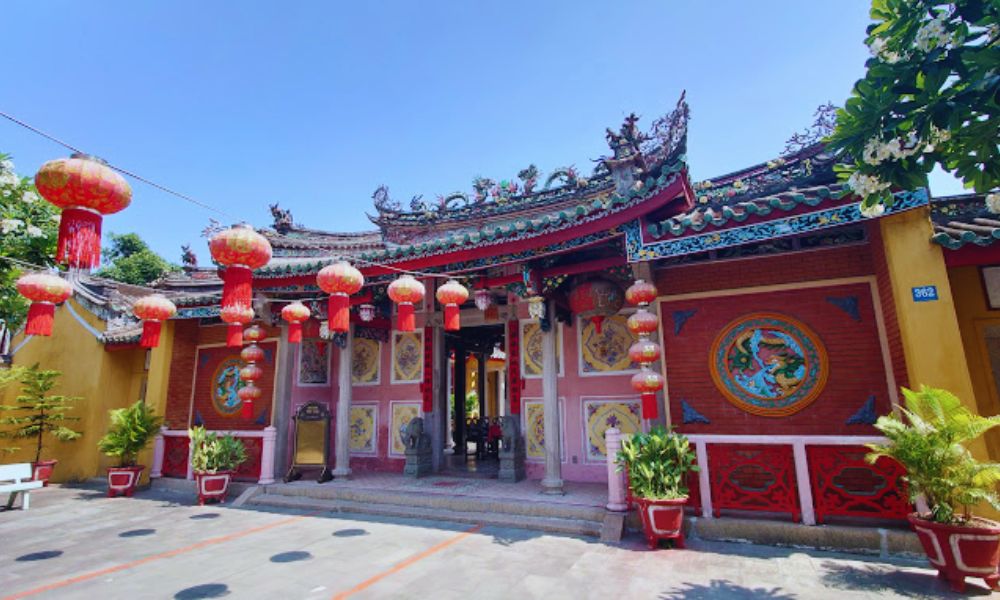
Figure 1. Chaozhou Assembly Hall
History and Origin of the Chaozhou Assembly Hall
The Chaozhou Assembly Hall was built in 1845, during the period when the Chinese community, especially the Chaozhou (China) people, was present and living in Hoi An quite crowdedly. This project was initiated and built by the Chaozhou people living here.
The original purpose of building the assembly hall was to serve as a community center for the Chinese. This was a place for them to meet, exchange, and support each other in their new lives. At the same time, the assembly hall was also a place to worship the gods, praying for peace and luck for the community.
Development through the ages: Through different historical periods of Hoi An and Vietnam, the Trieu Chau Assembly Hall has undergone many changes.
- Early period: The Assembly Hall was the center of the Chinese community, where cultural activities and traditional festivals were held.
- The recession period of Hoi An trading port: When Hoi An trading port gradually lost its position, the assembly hall was also affected. However, it still maintained its role as a place for Chinese community activities.
- Modern period: The Assembly Hall was restored, preserved and became an attractive tourist destination in Hoi An.
The commercial and cultural role of the assembly hall in Hoi An:
- Role in commerce:
- Trading center: The meeting hall is where Chinese merchants meet and exchange information about the market and goods.
- Support for trading activities: The guild provides support services for trading activities such as lending capital and preserving goods.
- Promoting the development of maritime trade: Thanks to the presence of the assembly hall, Hoi An’s maritime trade activities grew more and more. The Chinese contributed greatly to the wealth and prosperity of Hoi An’s trading port in the 17th and 18th centuries.
- Role in culture:
- Cultural preservation: The Assembly Hall is a place to preserve and conserve traditional cultural values of the Chinese people.
- Community center: The Assembly Hall is a place for the Chinese community to connect and maintain national cultural identity.
- Cultural bridge: The Assembly Hall is a bridge between Vietnamese culture and Chinese culture, contributing to enriching Vietnamese culture.
The Trieu Chau Assembly Hall is not only an architectural work but also a vivid demonstration of the exchange and integration between cultures. The Assembly Hall has been actively contributing to the development of Hoi An, becoming a unique cultural symbol of Hoi An ancient town.
Unique Architecture of the Chaozhou Assembly Hall
Chaozhou architectural style
The Chaozhou Assembly Hall in Hoi An is a wonderful example of the traditional architectural style of the Chaozhou people. The architecture of the assembly hall bears the distinctive features of this land, harmoniously combining aesthetic elements and functionality.
- Entrance: The entrance to the guildhall is often designed to be massive, with elaborate patterns. The gate is not only an entrance but also a symbol of majesty and power.
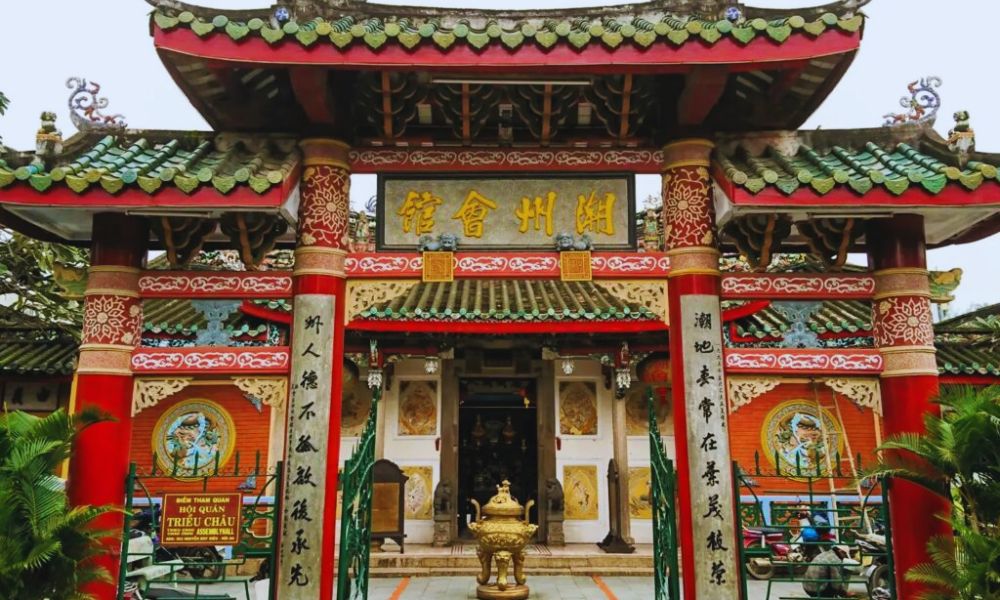
Figure 2. Entrance to the Chaozhou Assembly Hall
- Garden: The garden is an indispensable part of the architecture of the guildhall. The garden is designed according to feng shui principles, with ornamental trees, lakes, rockeries… creating a cool, relaxing green space.
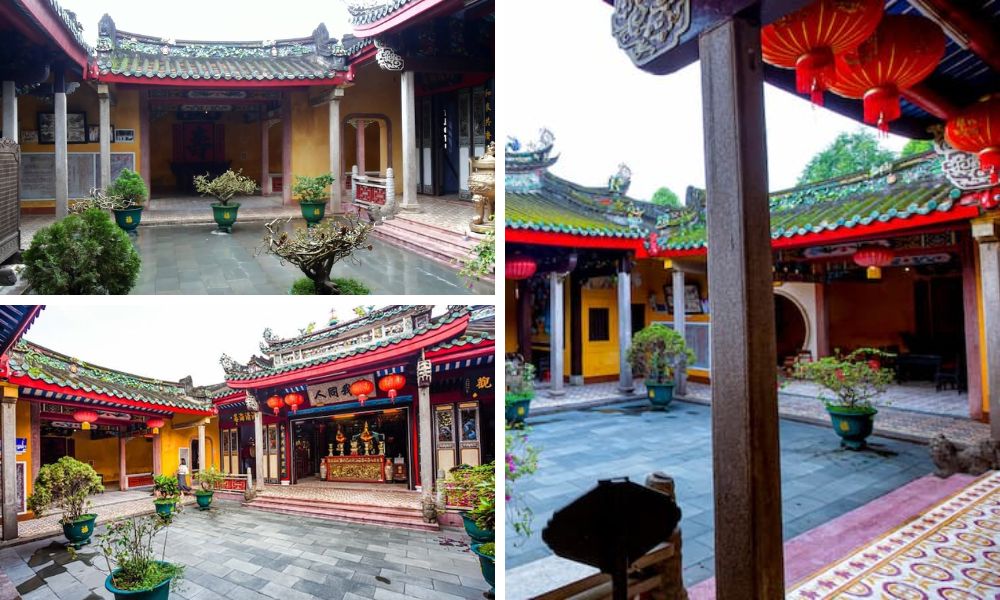
Figure 3. Garden area of Trieu Chau Assembly Hall
- Dome: Curved dome is a characteristic of Southern Vietnamese traditional house architecture. The dome not only creates a soft beauty but also helps to ventilate the air inside the house.
- Exquisite carvings: Wood and stone carvings are one of the highlights of the architecture of the assembly hall. These patterns often have symbolic meanings, expressing the beliefs and life philosophy of the people.
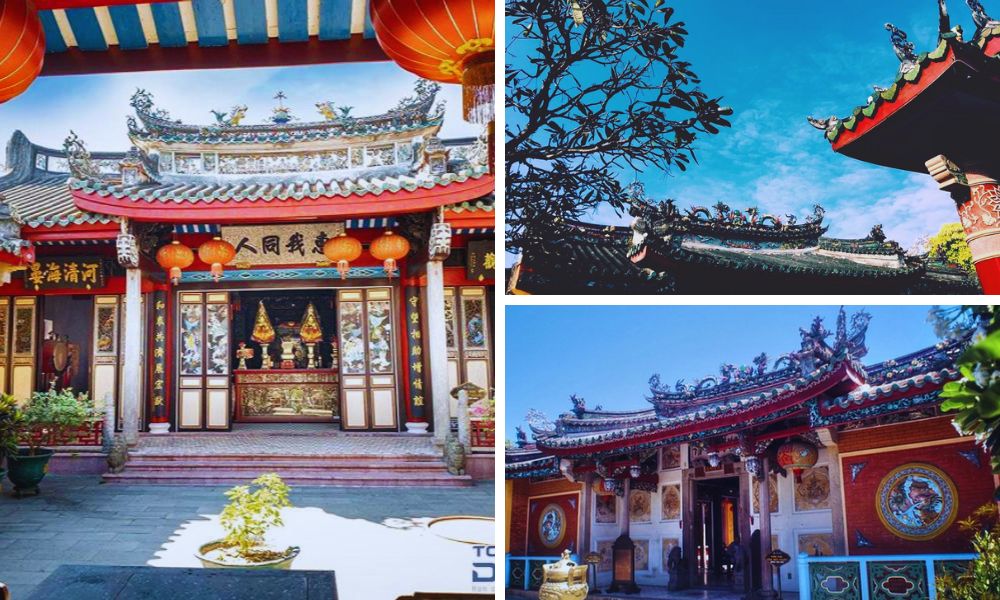
Figure 4. The elaborately carved domes at the Chaozhou Assembly Hall
Works of art and building materials
- Wood carving: Wood carving is one of the typical art forms of the Chinese. At the Chaozhou Assembly Hall, we can see many exquisite wood carvings depicting images of gods, animals, flowers, leaves, etc.
- Stone sculpture: Stone sculpture is also widely used in the decoration of assembly halls. Stone statues are often placed in solemn positions, such as in front of the gate, or in the worshiping rooms.
- Decorative motifs: Decorative motifs often use images of dragons, phoenixes, lotus flowers, clouds… These are all images with good meanings in Chinese culture.
- Construction materials: The hall was mainly built of wood, stone and brick. Wood was used to make pillars, rafters, doors, roofs… Stone was used to make the foundation, steps, pillars… Bricks were used to build the walls.
Feng Shui Elements
Feng Shui is an indispensable part of traditional Chinese architecture. When building the Chaozhou Assembly Hall, people paid great attention to Feng Shui.
- House direction: House direction is carefully selected, based on feng shui principles to ensure bringing luck and fortune to the community.
- Room locations: The functional rooms in the clubhouse are arranged scientifically and in harmony with each other.
- Ornamental plants: Ornamental plants are selected and planted in suitable locations to create a harmonious living space, balancing yin and yang.
- Lake: Lake not only has the effect of cooling the air but also has deep feng shui meaning.
The Chaozhou Assembly Hall is a unique architectural work, bearing the cultural imprint of the Chinese people. The architecture of the assembly hall not only demonstrates the craftsmanship but also reflects the cultural and religious values of the community. Preserving and promoting the value of the Chaozhou Assembly Hall is an important task, contributing to the preservation of the nation’s cultural heritage.
Highlights and Differences of Trieu Chau Assembly Hall Compared to Other Assembly Halls in Hoi An
Hoi An is a living museum with many Chinese assembly halls, each with its own unique beauty, reflecting the culture and beliefs of each region.
- Chaozhou Assembly Hall: Stands out for its solemn architecture, intricate carvings, and tranquil atmosphere. The assembly hall often worships the guardian deities of seafarers, demonstrating the deep attachment of the Chaozhou community to the seafaring profession.
- Phuc Kien Assembly Hall: Has a more elaborate architecture, with many overlapping roofs. Assembly halls often worship important gods in folk beliefs, such as Quan Cong and Mau Thuong Ngan.
- Cantonese Assembly Hall: Has a simpler, more rustic beauty. Assembly halls often have open spaces, close to nature.
Although they are all places for Chinese community activities, each assembly hall has its own unique characteristics, expressed through architecture, sculpture, and religious activities. This difference is largely due to the influence of local culture and traditions of each group.
Highlights in architecture and art:
- Carvings: The Chaozhou Assembly Hall stands out with its elaborate carvings, often depicting sea creatures such as fish and turtles, or images with feng shui significance such as dragons and phoenixes.
- Color: The main colors in the guild hall are usually red and yellow, symbolizing luck and prosperity.
- Space: The space inside the hall is scientifically arranged, creating a quiet, solemn feeling.
- Windows: Windows are usually made of wood, with elaborate decorative patterns, creating beautiful scenes when the light shines in.
Other special features:
- Altar: The altar in the guildhall is often elaborately decorated, with statues and worship objects made of bronze and wood.
- Garden: The garden is designed in harmony with the architecture of the clubhouse, creating a cool, quiet green space.
The Chaozhou Assembly Hall is one of the attractive destinations in Hoi An, not only because of its unique architecture but also because of the cultural and historical values it brings. Through learning about the architecture and art of the assembly hall, we can better understand the life and beliefs of the Chinese community in Vietnam.
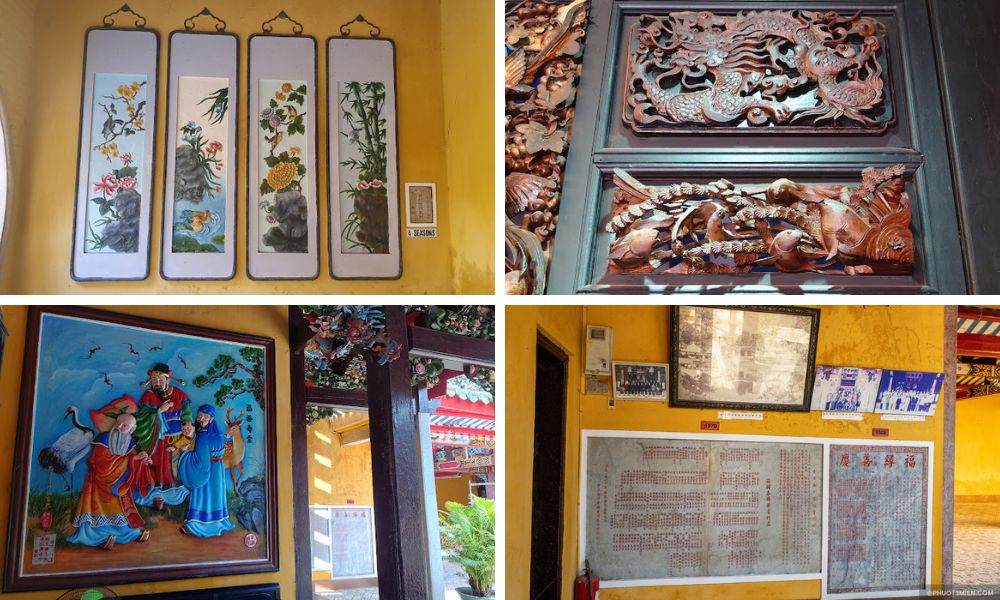
Figure 5. Some decorative artifacts at the Chaozhou Assembly Hall
Events and Festivals at the Chaozhou Assembly Hall
The Chaozhou Assembly Hall is not only a unique architectural work but also a place where many unique cultural and religious activities take place. Let’s explore the festivals and events taking place here!
Typical festivals:
- Sea worshiping ceremony: This is the most important festival of the Chaozhou community in Hoi An. The sea worshiping ceremony is held annually to pray for a year of favorable weather, safe sea voyages for fishermen and a good catch of seafood. During the festival, people will prepare a full offering tray, organize traditional rituals and carry a palanquin around the assembly hall.
- Lunar New Year: Like many other Chinese communities, the Chaozhou people in Hoi An attach great importance to the Lunar New Year. During the Tet holidays, the assembly hall becomes a gathering place for the community, organizing cultural activities and traditional cuisine.
- Other festivals: Besides the sea worshiping ceremony and Lunar New Year, there are many other festivals held at the assembly hall such as the Mid-Autumn Festival, the Thanh Hoang Festival… Each festival has its own meaning and is held with unique traditional rituals.
Participate in cultural events:
Many events held at the Chaozhou Assembly Hall are open to visitors, providing an opportunity for visitors to experience traditional Chinese culture. Visitors can participate in activities such as:
- Visit the Assembly Hall: Explore the unique architecture, ancient artifacts and learn about the history of the Assembly Hall.
- Participate in ceremonies: If lucky, visitors can witness traditional Chinese ceremonies.
- Enjoy the cuisine: Enjoy Chinese specialties at restaurants near the guildhall.
- Take craft classes: Learn how to make mooncakes, calligraphy, or other crafts.
- Watch art performances: Watch lion dance performances, quan ho singing or other traditional art forms.
Note: For detailed information about events taking place at the Chaozhou Assembly Hall, you should contact the assembly hall management directly or follow the information on the website. anabasrestaurant.vn for the latest updates.
Participating in events at the Chaozhou Assembly Hall is a great experience to explore traditional Chinese culture and gain a deeper understanding of history, Hoi An people.
Some Notes When Visiting the Chaozhou Assembly Hall
To make your visit to the Chaozhou Assembly Hall more meaningful, I would like to share some small notes below:
Skin:
- Do: Wear polite, modest clothing to show respect for the sacred space of the meeting hall.
- Avoid: Wearing clothes that are too short, revealing, or clothes that are too colorful or flashy.
- You can refer to the article The Secret to Choosing Unique Outfits – Impressively “Outsmarting” Every Fashionista When Traveling to Hoi An to choose suitable clothes to visit the assembly hall and other places in Hoi An.
Behavior:
- Respect space: Keep quiet, do not talk loudly, especially in worship areas.
- Respect for Religion: Do not act disrespectfully towards religious objects, statues or symbols.
- Photography: Photography is allowed but should be limited in sacred areas or when ceremonies are taking place.
- Do not touch objects: Do not touch exhibits, statues or architectural structures.
Time to visit:
- Morning: The ideal time to visit the guildhall, the space will be quieter and more airy.
- Avoid rush hour: Avoid holidays, Tet or weekends because there will be a lot of tourists.
Other things to note:
- Tour guide: If possible, you should hire a tour guide to better understand the history, architecture and significance of the details in the assembly hall.
- Personal items: You should bring a camera or phone to take souvenir photos, but turn off the sound so as not to disturb others.
- Garbage: Keep public hygiene, do not litter.
Some other useful experiences:
- Research in advance: Learn about the history, architecture and significance of the Chaozhou Assembly Hall in advance to make your visit more enjoyable.
- Participate in activities: If you have the opportunity, participate in cultural activities and festivals held at the guild hall.
- Appreciate the values: Appreciate the cultural and historical values that the Trieu Chau Assembly Hall brings.
We wish you a meaningful visit to the Chaozhou Assembly Hall!
After exploring the Chaozhou Assembly Hall, don’t miss the chance to enjoy Hoi An cuisine at famous specialty restaurant Anabas Restaurant – an ideal destination for those who love the unique flavors of this land. Anabas Restaurant, you will experience traditional dishes such as Cao Lau, Quang noodles, chicken rice, wonton, and many other delicious dishes, all made from fresh, local ingredients, and traditional recipes. This is a great opportunity to feel the authentic and unique flavors of Hoi An, delicately transformed to suit each diner’s taste. Come visit Anabas Restaurant to explore Hoi An culinary culture in your own way!
- Address: 29 Phan Chu Trinh, Minh An Ward, Hoi An
- Phone: 093 561 96 81
- Opening hours: 09:00 – 22:00
- Website: https://anabasrestaurant.vn/
- Facebook: https://www.facebook.com/Anabasrestaurant
- You can book a table directly through the website: Reservation
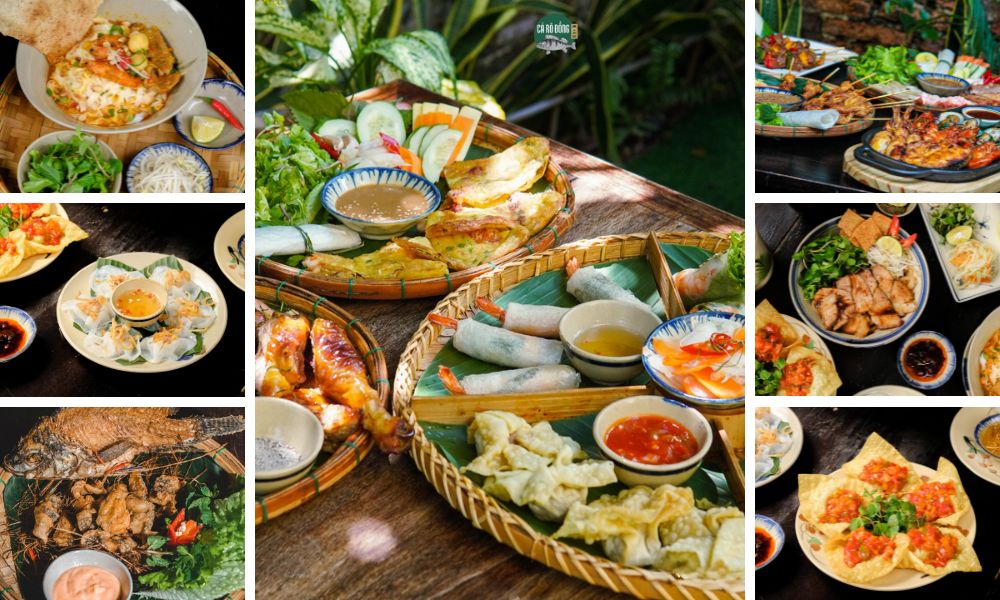
Figure 6. Hoi An cuisine at Anabas Restaurant
Suggested Other Places to Visit Near Assembly Hall of Chaozhou
After visiting the Assembly Hall of Chaozhou, you can explore many other interesting places nearby. Here are some suggestions:
1. Hoi An Covered Bridge: The symbol of Hoi An, the Japanese Covered Bridge with its unique architecture is a destination not to be missed. The small wooden bridge spans the Hoai River, connecting the two banks and imbued with East Asian culture.
2. Ancient houses in Hoi An:
- Tan Ky Ancient House – 200 Year Old House Still Maintains Its Value
- Phung Hung Ancient House: Ideal Destination For Tourists In Hoi An
- Quan Thang Ancient House – Ancient house in the heart of Hoi An
- Duc An Ancient House: An ancient house that preserves many historical stories
3. Hoi An Night Market: Hoi An at night is sparkling under the lanterns with many interesting activities and don’t miss the opportunity to explore Hoi An night market with thousands of handicrafts, lanterns, clothes… You can shop for unique souvenirs and enjoy delicious street food.
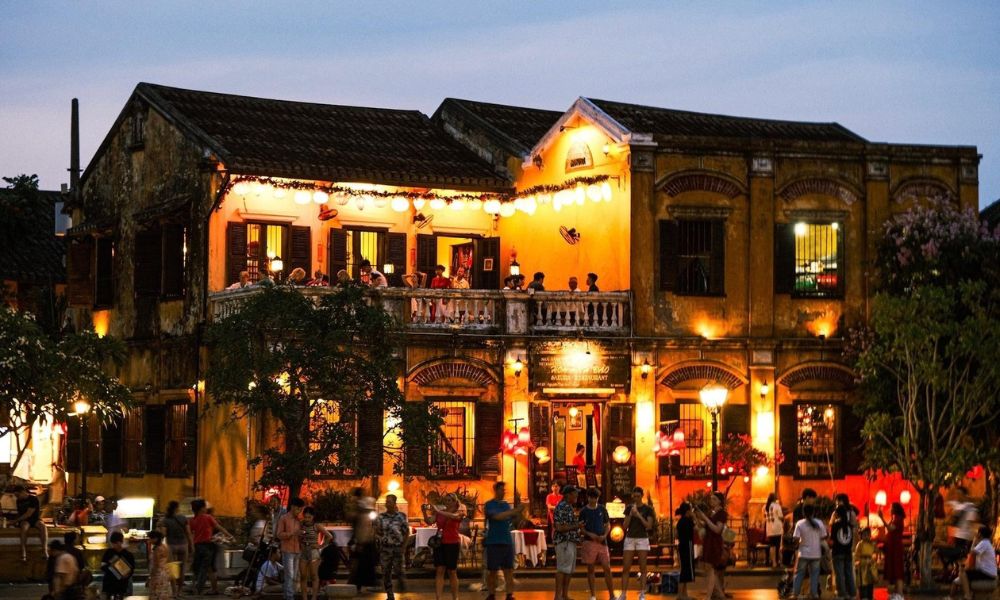
Figure 7. A corner of Hoi An ancient town at night
4. The Most Beautiful Beaches in Hoi An: If you want to relax and enjoy the sea air, you can go to Cua Dai beach or An Bang beach. These beaches in Hoi An are famous for their fine white sand and clear blue water.
5. Bay Mau Coconut Forest: An ideal place for you to explore by basket boat, enjoy fresh seafood and enjoy the peaceful natural scenery.
6. Other activities while traveling Hoi An tourism:
- Tailoring Ao Dai: Hoi An is famous for its super fast tailoring service but still ensures you have the best Ao Dai. You can choose the fabric and design to have a satisfactory outfit with the guidance and advice of famous tailors. Come to the TOP 10+ Famous, Reliable “Standard” Ao Dai Tailor Shops in Hoi An .
- Join cooking classes: Learning how to cook Hoi An specialties such as Cao Lau, Hoi An bread… will be an interesting experience.
- Visit traditional craft villages in Hoi An and create products with your own creativity with the guidance of artisans in the craft village.
- Tired after a day of exploring the old town? Stop by one of the Rooftop cafes in Hoi An to enjoy the airy space, watching the whole view of the old town. With a delicious cup of coffee in hand, you will have wonderful moments of relaxation.
- Participate in festivals: If you have the opportunity to come to Hoi An during festivals such as Lunar New Year or the Fishing Festival, you will be immersed in the vibrant atmosphere of the local people.
- Relax at the Hoi An spa: After a long day of exploring, you can relax at the spa to enjoy massage and skin care services.
- Want to experience a different Hoi An? After walking around the old town, visit Hoi An bars/pubs to enjoy relaxing moments with friends. With open space, vibrant music and attractive cocktails, you will surely have unforgettable memories in Hoi An.
The Assembly Hall of Chaozhou is not only a unique architectural work but also a living museum, preserving the precious cultural and historical values of the Chinese community in Hoi An. Coming to the Assembly Hall, visitors not only admire the exquisite architectural beauty but also have the opportunity to explore a colorful cultural world. Are you ready to explore the Assembly Hall of Chaozhou and other famous tourist destinations in Hoi An? Book your tickets today for a meaningful trip!

Cập nhật lần cuối: 25/09/2024 15:54

 Vietnam
 Korea
Korea